

Madagascar
Short description
Madagascar's spring light: September–November
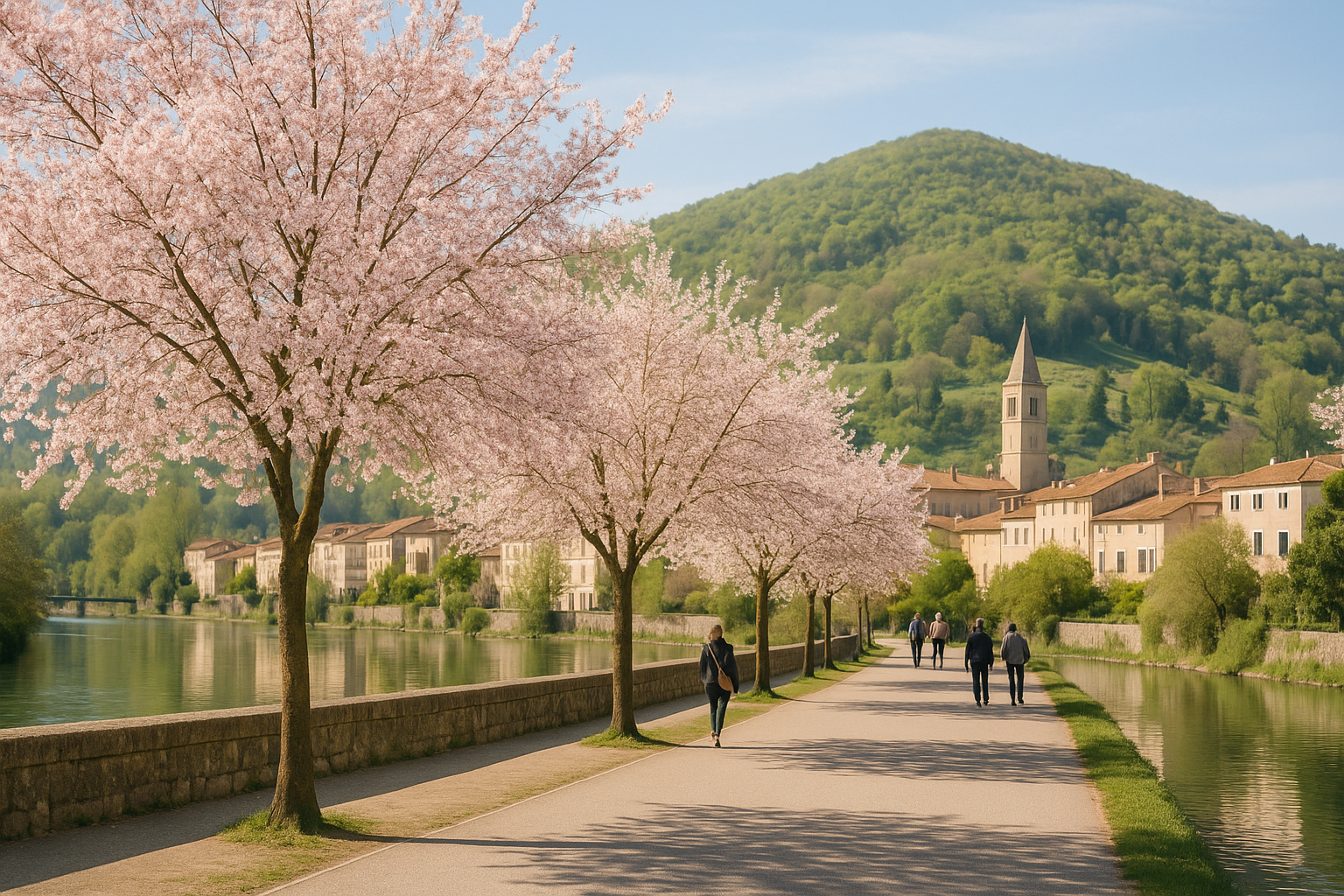
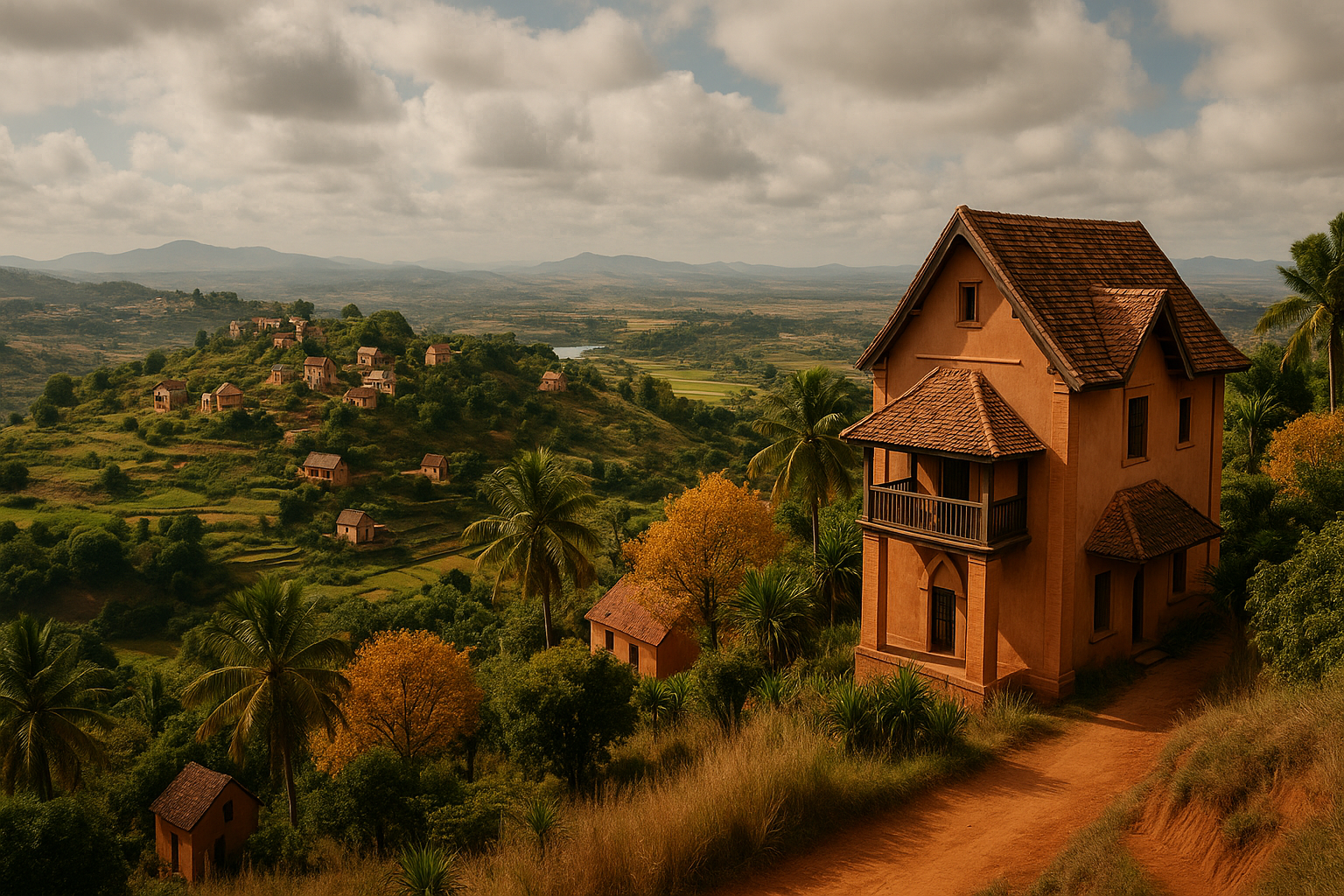
By September the central highlands have a hard, clear light and the first flamboyant and jacaranda blooms colour town streets; by November the east begins to see sporadic showers as the austral spring tips into the rainy season. This three-month window feels like a transition: mornings are cool on the plateau, afternoons warm quickly, and beaches start to heat up before the full wet season arrives.
Rice paddies, lemurs and the first green
Autumn on the calendar is spring here, which means rice transplanting in lowland valleys and fledgling wildlife activity in many forests. Many lemur species are easier to spot as young animals appear and calling patterns change, and farmers are on the move into flooded paddies around October. In eastern rainforests you may still find tacky tracks by November; on the drier west and south the ground stays firm until heavier rains come later.
Travelling Madagascar: roads, flights and money
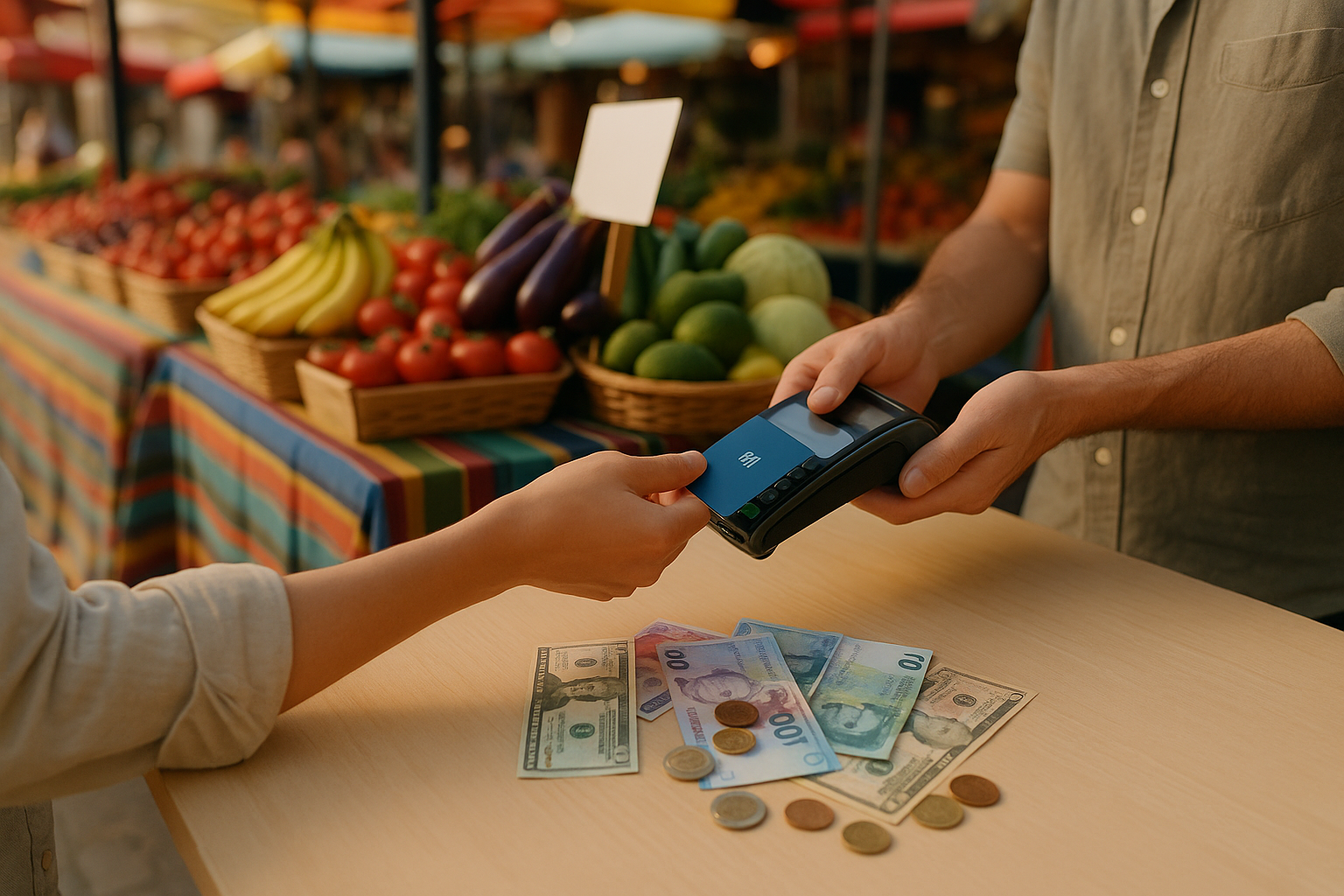
Distances on the island are deceptive: a few hundred kilometres can take most of a day because national roads vary from smooth tarmac to corrugated laterite; secondary tracks can become difficult once rains begin. Domestic flights shorten trips to the main coastal towns but timetables shift with demand, so expect some last-minute changes. Cash in ariary dominates outside cities—ATMs and card acceptance are reliable in larger towns but sparse in rural areas. Malagasy and French will get you far; English is less common.
Madagascar manners: fady, greetings and village etiquette
People commonly open with "Manao ahoana" followed by a handshake; in smaller communities greetings are longer and important for introductions. Many regions observe local fady (taboos) that affect everything from fishing spots to what you may photograph—asking before taking pictures of people or tombs is polite. Dress modestly in villages and remove shoes when entering some homes in the highlands.
Eating like a local in Madagascar
Rice is the centre of almost every meal: expect plates dominated by vary with a side of zebu, romazava or seafood depending on the coast. Street breakfasts of mofo gasy and afternoon sambos are common, and market stalls sell koba—sweet rice-and-peanut parcels—if you want a local dessert. Meals are often communal; using a fork is normal in restaurants, but sharing from a central bowl with your hands is not unusual in village homes.
Quick 5
Madagascar
Madagascar
Madagascar
Madagascar
Madagascar
Regions

Travel Requirements
What you need to enter Madagascar, for the passport you hold.
Places of interest
Landscapes in Madagascar
Travel Tips