

Mauritius
Short description
How Mauritius moves on a small scale
In September the sugarcane fields on Mauritius' central plateau begin to freshen and you notice the island's short distances: most coastal towns, the capital and the inland plateau are all under two hours apart by car.
Port Louis feels like a working port city rather than a tourist hub — early mornings bring market traffic, later the streets calm as people head to offices or factories elsewhere on the island.
What autumn (September–November) does here
These months are spring into summer in Mauritius: temperatures rise, humidity builds and the steady southeast trade wind that cools the island eases toward November.
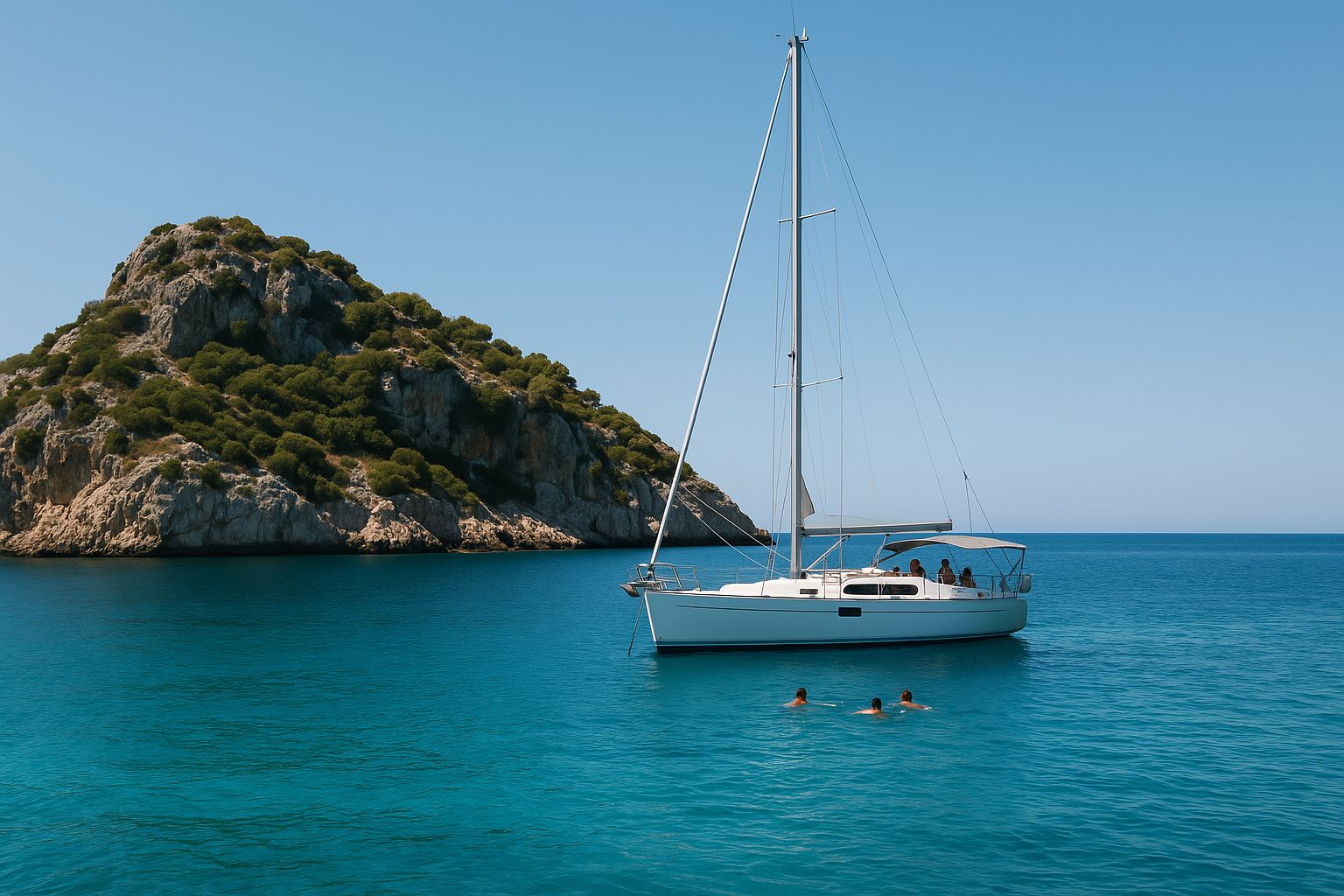
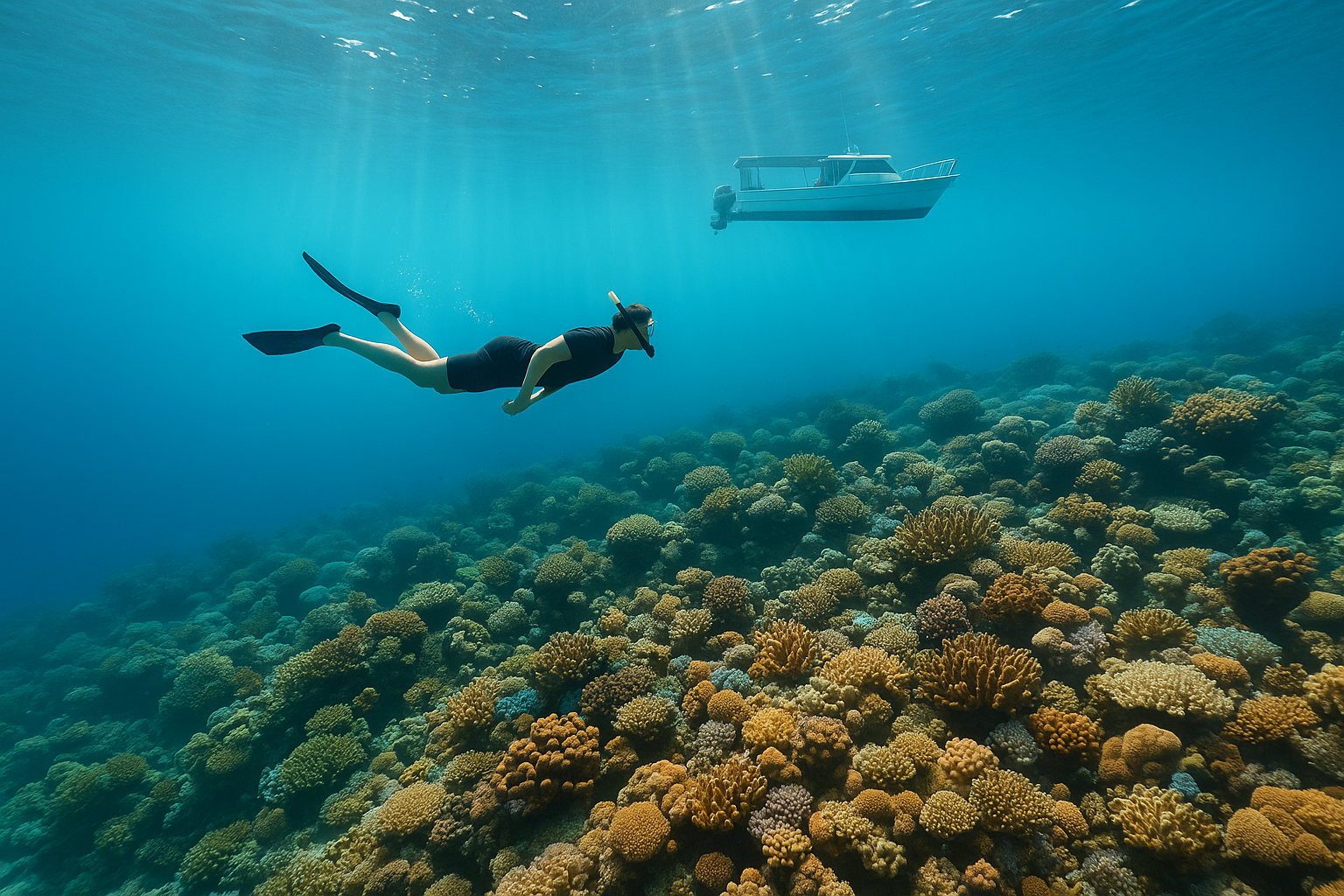
October and November bring more quick, heavy showers than the dry winter had, and the coastline warms enough that coral lagoons and reef flats receive more swimmers and day-trippers.
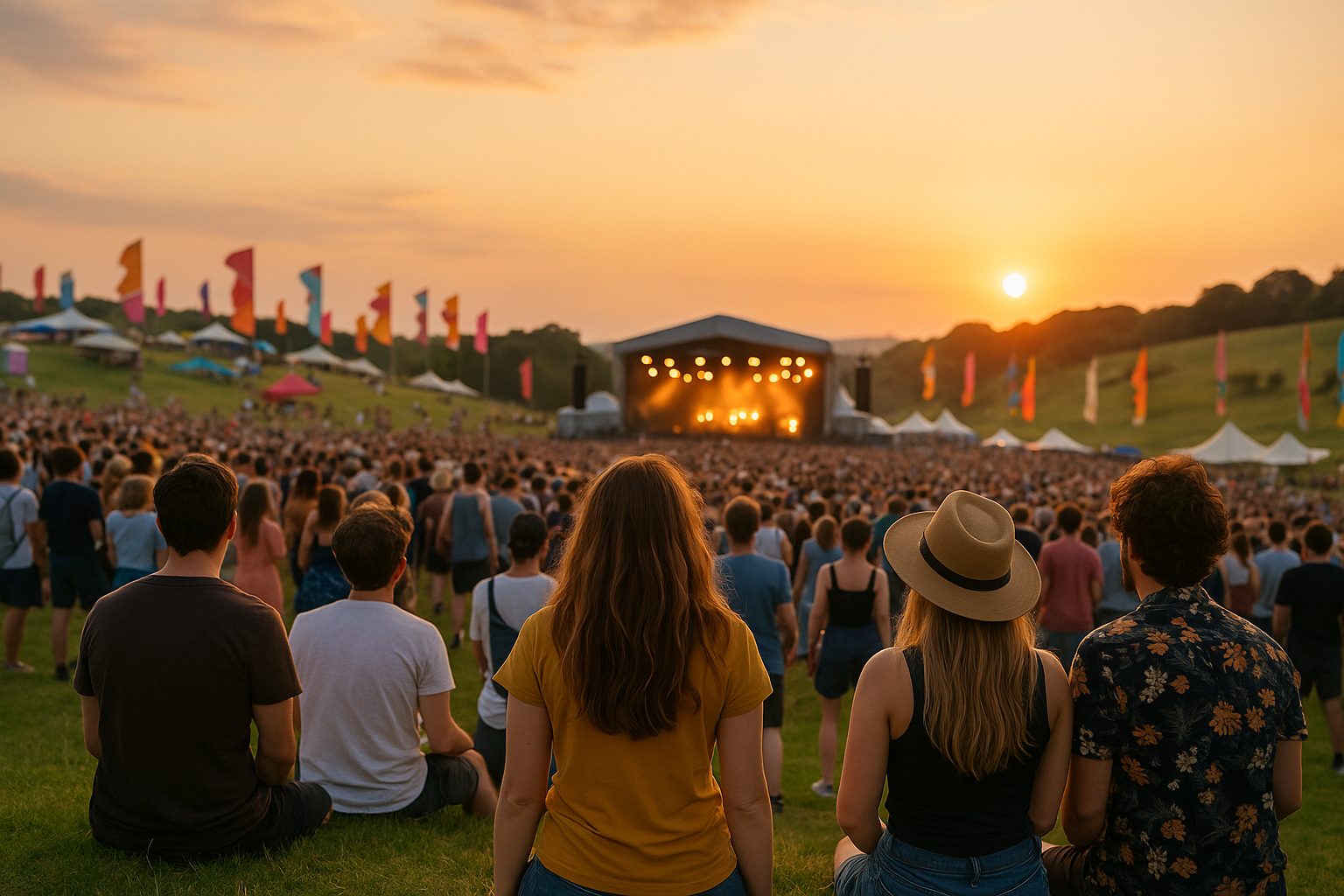
Religious festivals often fall in this window so you may encounter brightly lit homes and public Diwali or Creole Carnival preparations depending on the lunar calendar that year.
Practical rhythm of travel around Mauritius
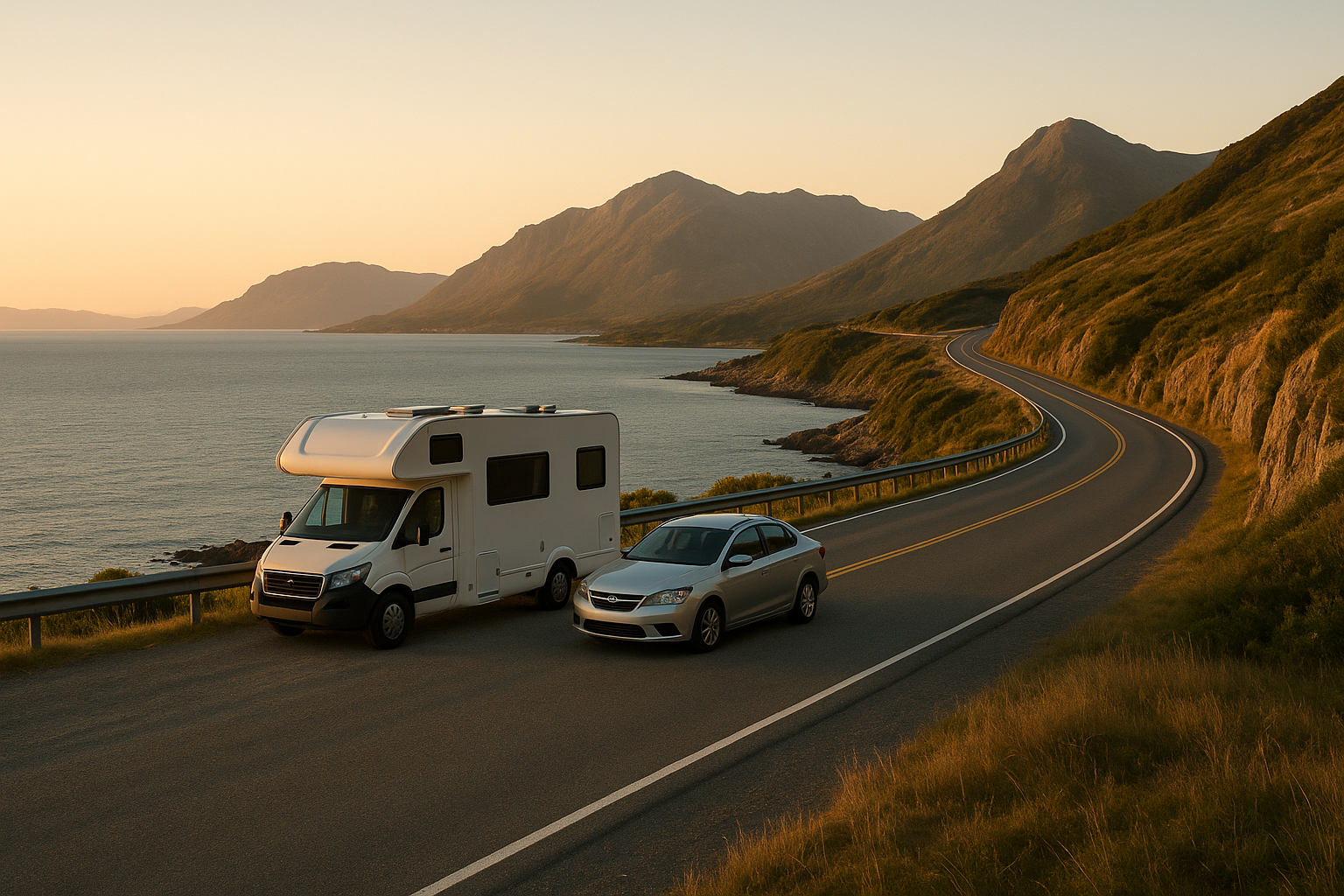
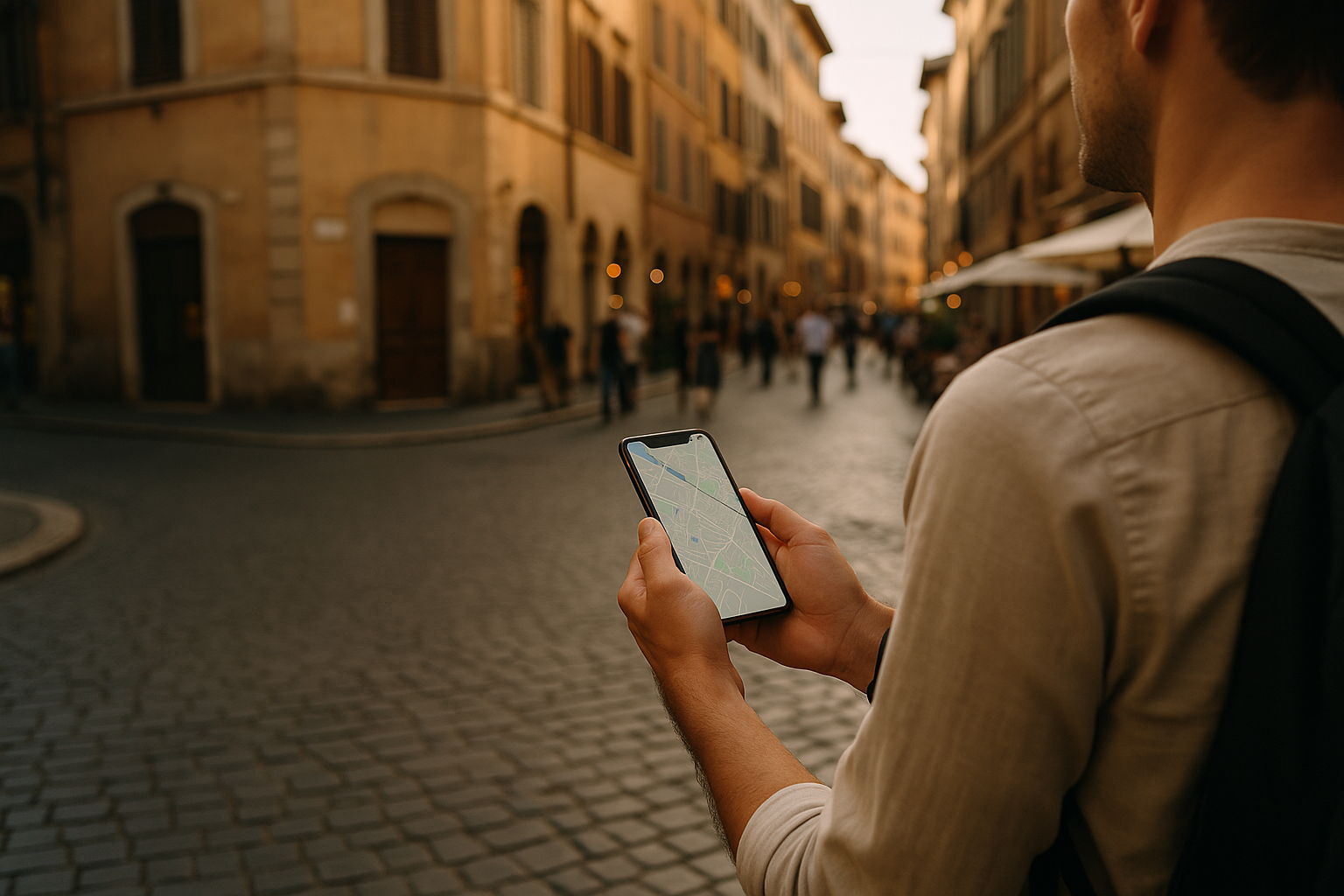
Buses do an excellent job of linking towns but can be slow and crowded; many visitors rent a car (driving is on the left) or use taxis for greater flexibility, while phone maps and mobile coverage are reliable across most settled areas.
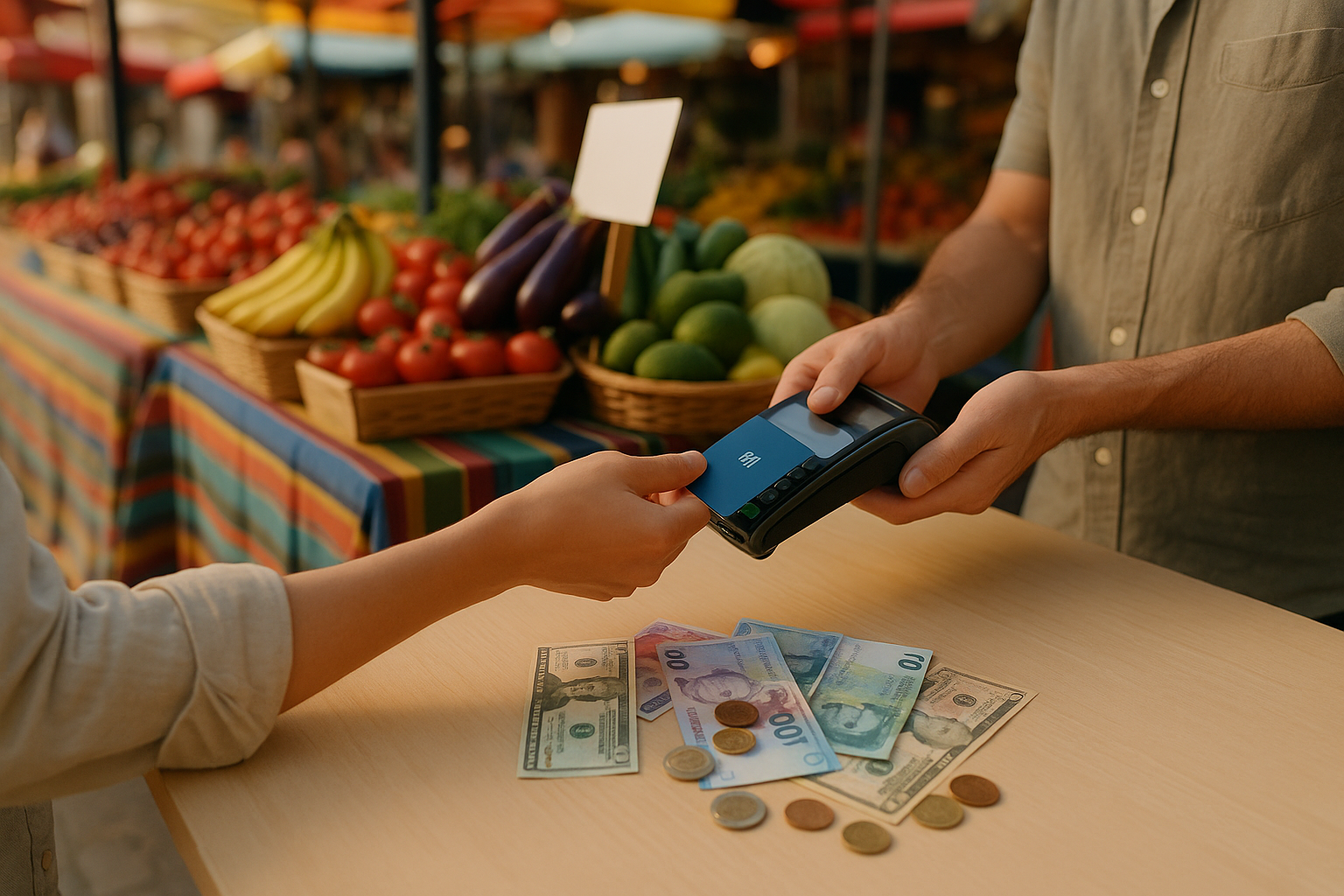
The Mauritian rupee is how most small purchases are made; cards work in hotels and larger restaurants but cash is still preferred at market stalls selling dholl puri or fresh fish.
Eating and everyday manners you’ll meet
Street food culture is immediate: dholl puri sellers, fish curries and rougaille appear from midday and are eaten with hands or forks at plastic tables; sharing plates and sauces is normal in informal settings.
On arrival you’ll hear English, French and Mauritian Creole interchangeably; a polite greeting, removing shoes at Hindu temples and modest dress at religious sites are expected courtesy rather than formality.
What most visitors don’t realise until they arrive
People often expect one dominant culture but Mauritius is unmistakably plural: festivals of Hinduism, Christianity and Islam shape public life, and that mix is visible in food stalls, radio stations and school holidays during these months.
Quick 5
Mauritius
Mauritius
Mauritius
Mauritius
Mauritius
Regions

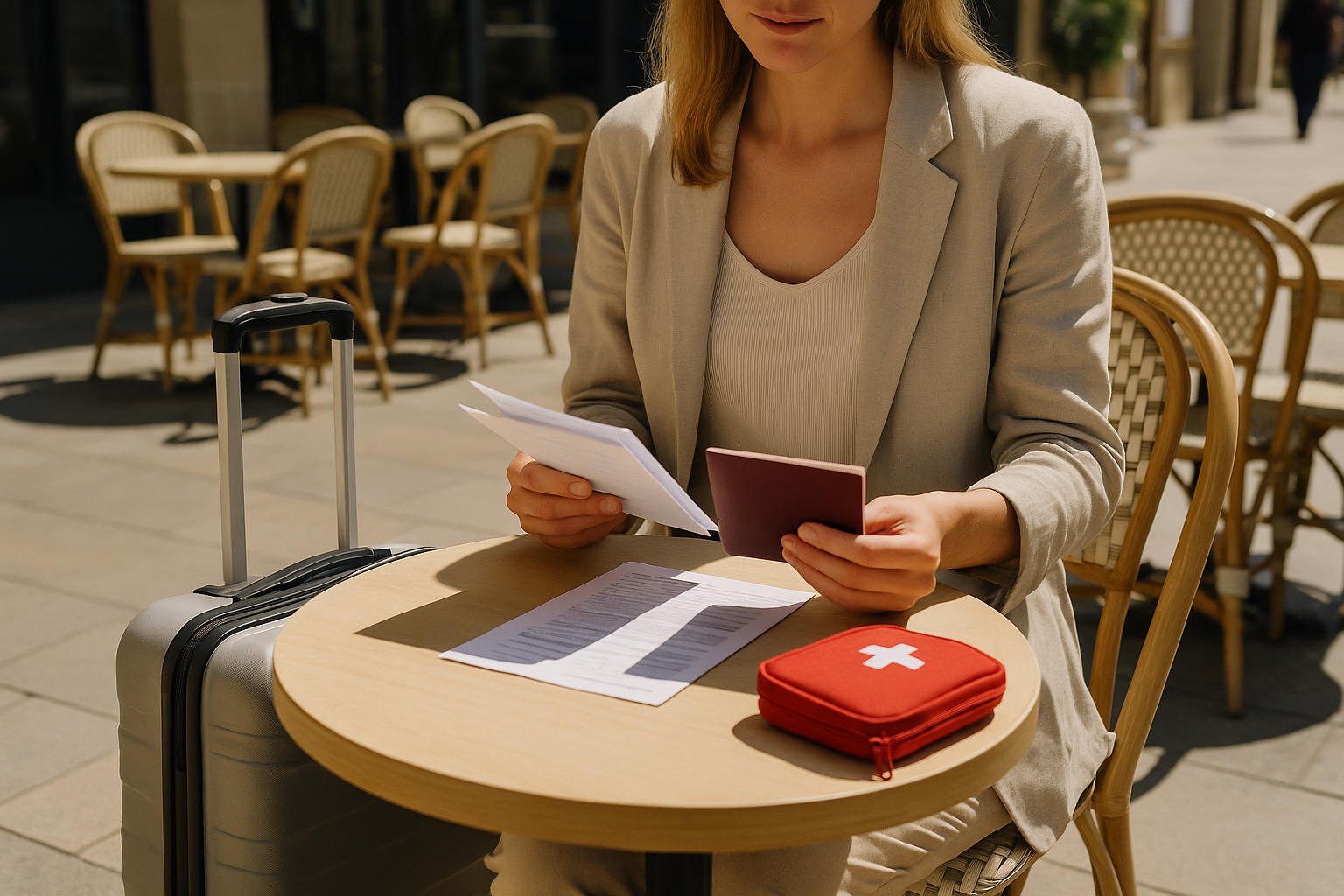
Travel Requirements
What you need to enter Mauritius, for the passport you hold.
Places of interest
Landscapes in Mauritius
Travel Tips