

Tanzania
Short description
September–November and how the land changes here
September marks the tail end of the long dry spell across northern Tanzania: grass on the Serengeti plains is short, waterholes are concentrated and animals are on the move; by October the short rains begin to stitch greenness back into the landscape and by November showers are routine in many lowland areas. On the coast and Zanzibar those months are hotter than the inland highlands and humidity rises noticeably as the sea breeze shifts.
How this season shapes what you actually see
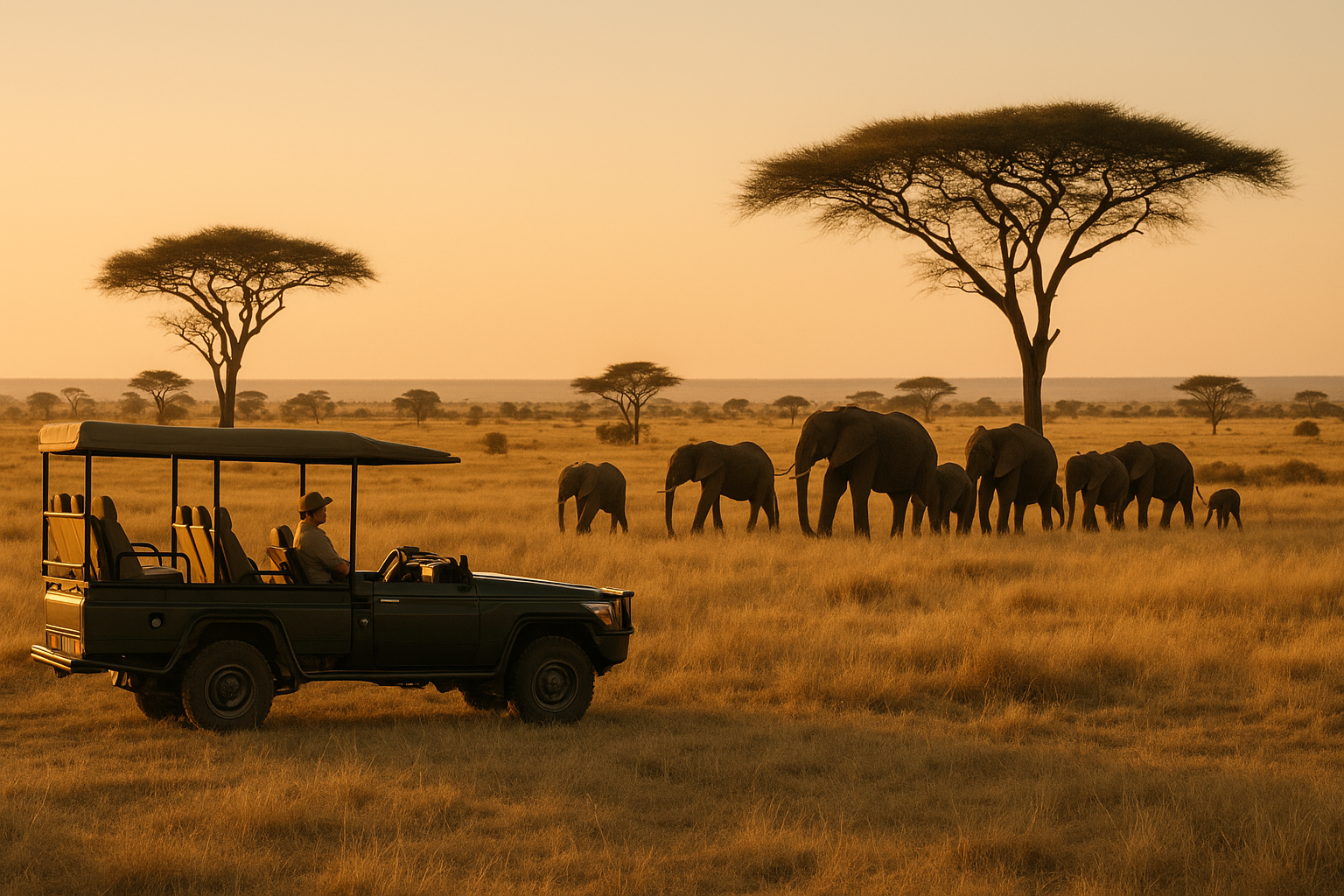
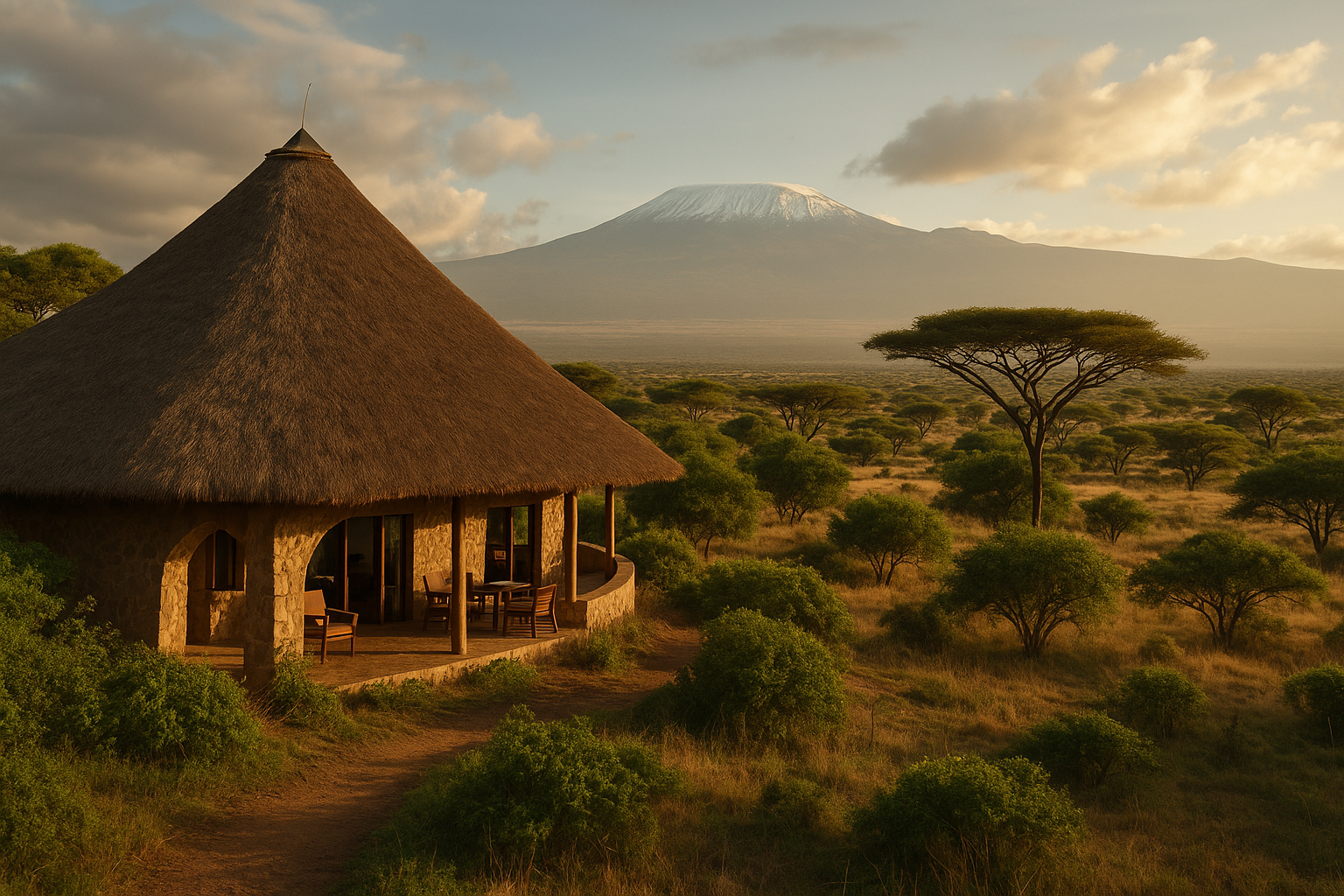
Wildlife viewing in the north is shaped by scarcity of water in September, which concentrates game and makes predator sightings more predictable; the mass movement of wildebeest and zebra tends to push northwest through the Serengeti–Mara corridor at this time. Mount Kilimanjaro’s approaches are generally drier in September and early October, giving clearer summit chances than the wetter weeks that follow; expect afternoons on the lower slopes to fill with cloud and mist as the short rains arrive.
Getting around, paying and staying connected
Distances are deceptive: an express flight will halve a road day between Arusha and Dar es Salaam, but where tarmac ends a 50 km stretch can take several hours in the wet. In towns and on safari lodges credit cards are widely accepted, but Tanzanian Shillings are still the working cash for markets, dala-dalas and roadside stalls. Vodacom, Airtel and Tigo networks provide decent 3G/4G coverage in urban centres and most national parks’ gates; expect patchy reception on remote dirt tracks and up Kilimanjaro above the tree line.
Manners, meals and surprises on day one
Swahili phrases go far: a greeting and a simple shikamoo on meeting elders open doors. Coastal and island communities observe Muslim prayer rhythms—Friday mid-day pauses are noticeable in Zanzibar and Lindi—and dress more conservatively along the coast than in highland towns. Food arrives according to place: hearty ugali and nyama choma inland, grilled fish and pilau on the coast; hosts will often insist you take another cup of chai. Many visitors are surprised that Tanzania is as much about its coast and Swahili towns as it is about safaris—Dar es Salaam functions like a regional commercial hub rather than a compact tourist centre.
Quick 5
Tanzania
Tanzania
Tanzania
Tanzania
Tanzania
Regions

Travel Requirements
What you need to enter Tanzania, for the passport you hold.
Places of interest
Landscapes in Tanzania
Travel Tips