
Mexico
Short description
Grito nights to cemetery altars: what autumn opens in Mexico
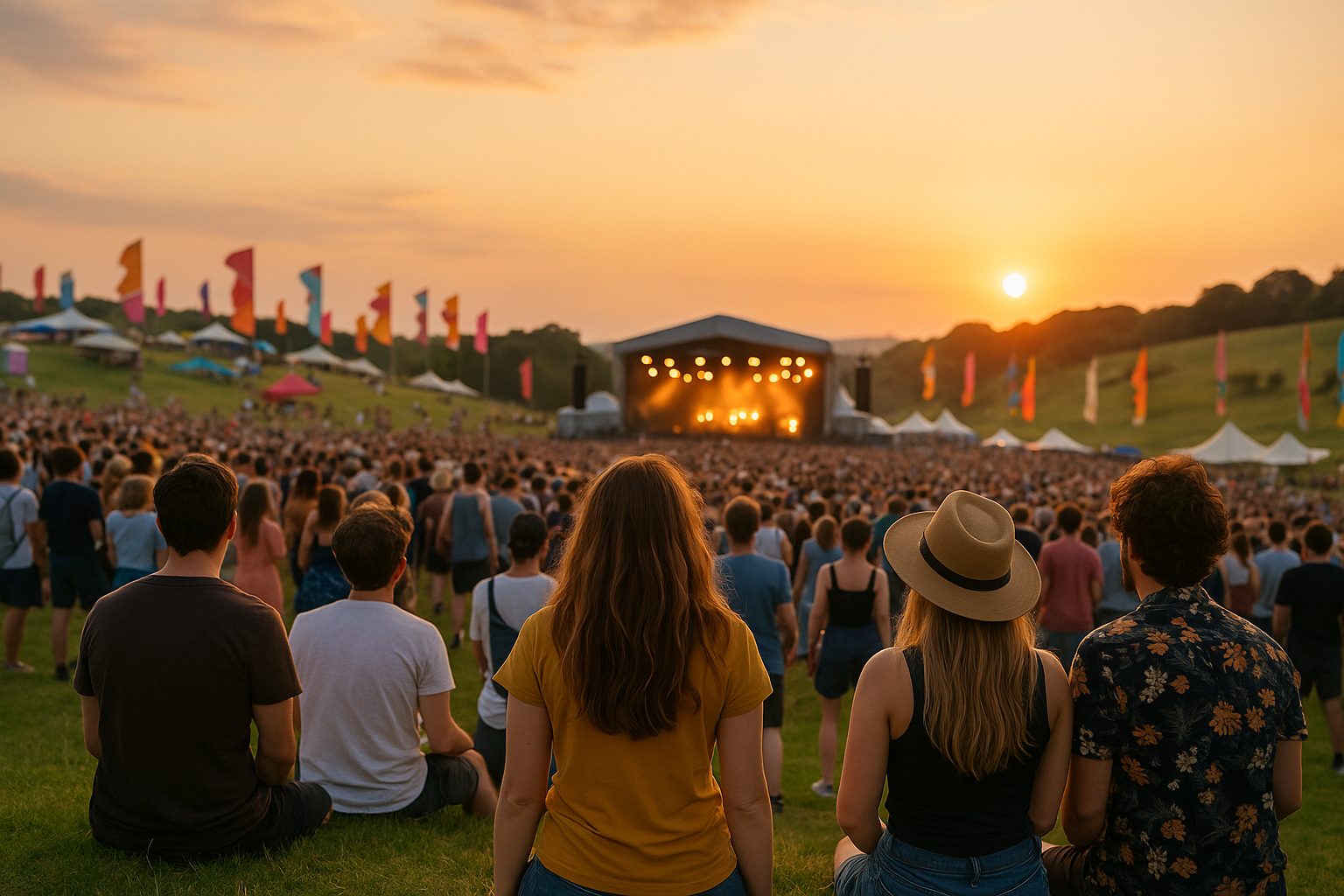
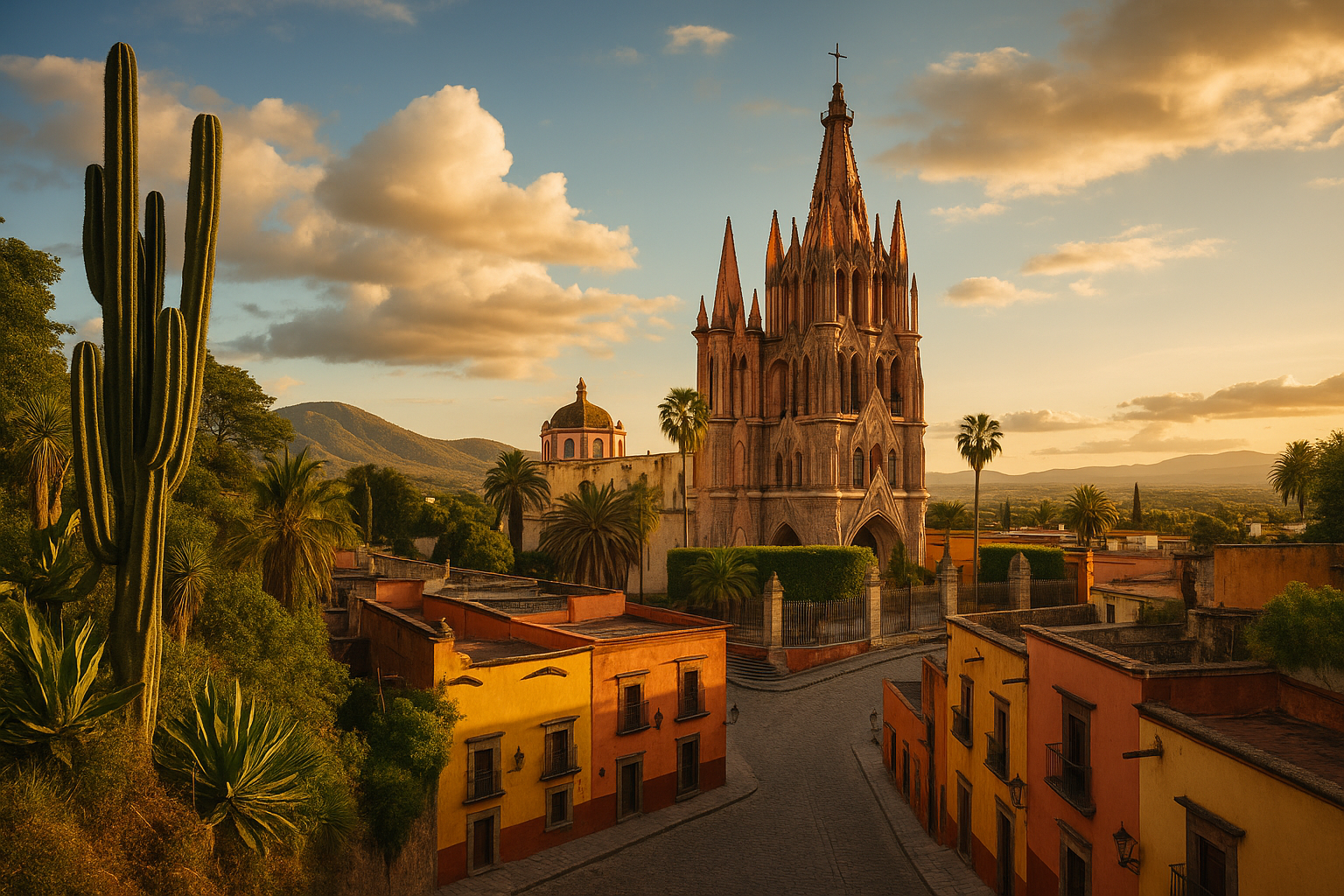
On the evening of September 15 plazas from Tijuana to Mérida fill for the Grito, when towns recite the cry that began independence and launch a month of municipal fiestas; by early November those civic fireworks have given way to family altars, papel picado, and candle-lit visits to cemeteries for Día de los Muertos.
How Mexico feels under foot and sky
Mexico’s scale is immediate: you can climb out of a cool, high-altitude city into bright heat on a coastal highway in the same day, or move from pine-scented mountains to jungle in a few hours. In autumn the high plateau around Mexico City still has strong sun but evenings that remind you you’re above 2,000 metres; the Gulf and Caribbean coasts remain humid and are still in the extended hurricane season, so expect sudden storm days there.
Autumn’s practical rhythms
September–November changes how people work and travel: municipal holidays and mid-September celebrations mean many small offices close, while harvests—coffee in southern states and agave in specific regions—bring local markets to life. Long-distance buses (including familiar regional lines) are the default for many travellers; where mountain roads are slow, domestic flights save whole days. Cash in pesos still runs corner stalls and mercados; credit cards work in hotels and larger restaurants but carry smaller bills for street food and taxis.
Daily manners and things that surprise first-timers
People commonly greet with a single cheek kiss in cities and a handshake in formal contexts, and addressing someone as señor or señora still smooths introductions. Lunch—la comida—is often the day’s main meal and can begin late afternoon in smaller towns; street stalls preparing tacos on fresh tortillas are a social staple late into the night. Visitors expect tourist spectacles, but in Mexico many important rituals are family affairs: the markets where families buy altar flowers before November 1, the neighbourhood band that plays at a fiesta patronal—those are where you see everyday life at full volume.
Quick 5
Mexico
Mexico (México)
Mexico
Mexico
Mexico
Regions

Travel Requirements
What you need to enter Mexico, for the passport you hold.
Places of interest
Landscapes in Mexico
Travel Tips