
Iraq
Short description
How Iraq feels underfoot
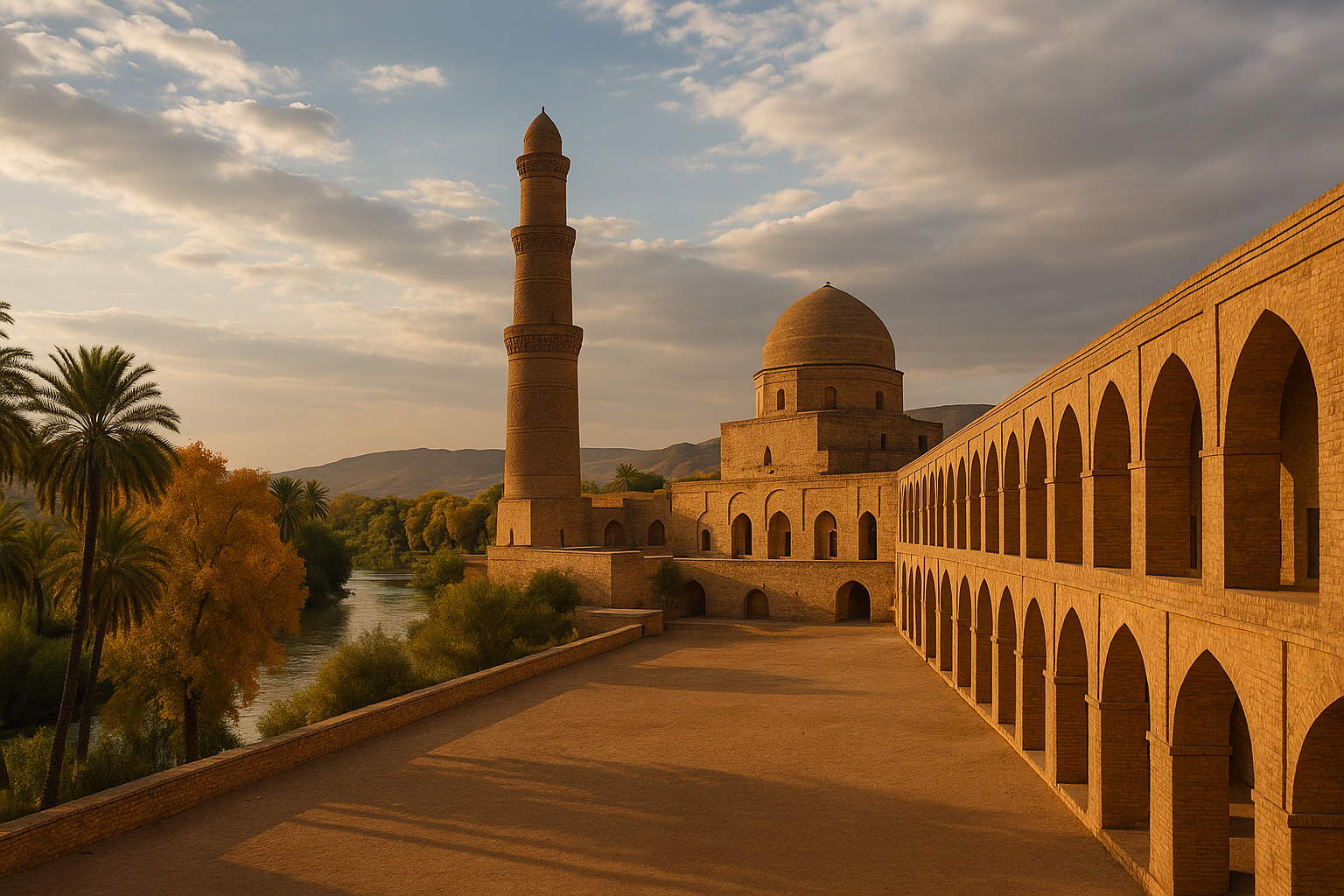
Iraq in autumn smells of charcoal and grilled river fish along the Tigris in Baghdad, and that sudden ease from midsummer heat changes how people move around. The country stretches from the palm-lined marshes and date groves of the south to the irrigated plains around the Tigris and Euphrates and up into the cooler foothills of Kurdistan; each zone has a different tempo in September to November. Cities feel concentrated: shopfronts and tea houses open early, traffic pulses around the five daily prayer times, and small markets spill spices and fruit onto the pavement.
Autumn's hand on Iraq
Autumn in Iraq is the harvest and the slow cool-down after blistering summer: date farms around Basra and the southern provinces are busy with picking and drying through September, while northern orchards begin their apple and pomegranate season later in the period. Rain arrives first in the Zagros foothills and later in Mesopotamia, so by November the hills around Erbil and Sulaimaniyah are noticeably greener and softer than the central plains.
Daily manners you’ll meet in Iraq
Visitors in Iraq quickly learn the rhythms of hospitality and formality: greetings often begin with a handshake and a businesslike exchange, but extended visits bring tea—strong, sweet, and poured repeatedly—from tiny glasses. Friday midday clears office streets as people attend prayer; modest dress and discretion at religious sites are expected. Meals are social and usually shared from common platters—offering to try a local plate like masgouf or dolma is taken as good manners, and declining too abruptly can feel rude.
Getting around, money and common surprises
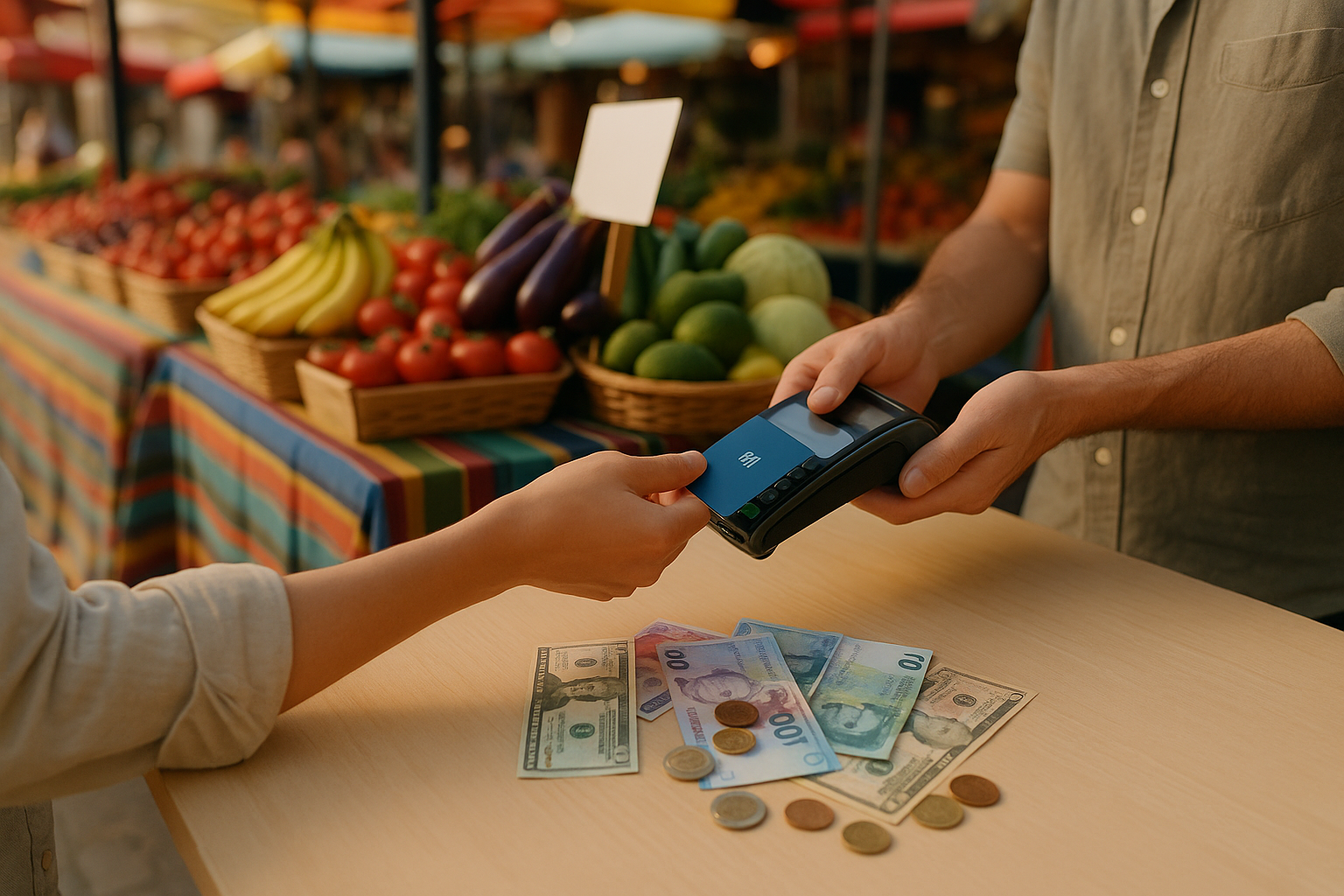
Distances look shorter on a map than they feel on Iraqi roads: overnight buses and domestic flights link Baghdad, Erbil and Basra, while long car journeys can take a full day. Cash in Iraqi dinar still rules outside larger hotels and shops, and credit cards work best in cities. Arabic is widely used, and Kurdish dominates conversation in the autonomous north; many shopkeepers and taxi drivers know enough English for basics, but a phrasebook or translation app speeds things up. People are often surprised that Iraq’s cities have buzzing cafes, decent mobile coverage and lively cultural life in autumn—far from the empty, featureless image some expect.
Quick 5
Iraq
Iraq
Iraq
Iraq
Iraq
Regions

Travel Requirements
What you need to enter Iraq, for the passport you hold.
Places of interest
Landscapes in Iraq
Travel Tips