Palestine

Short description
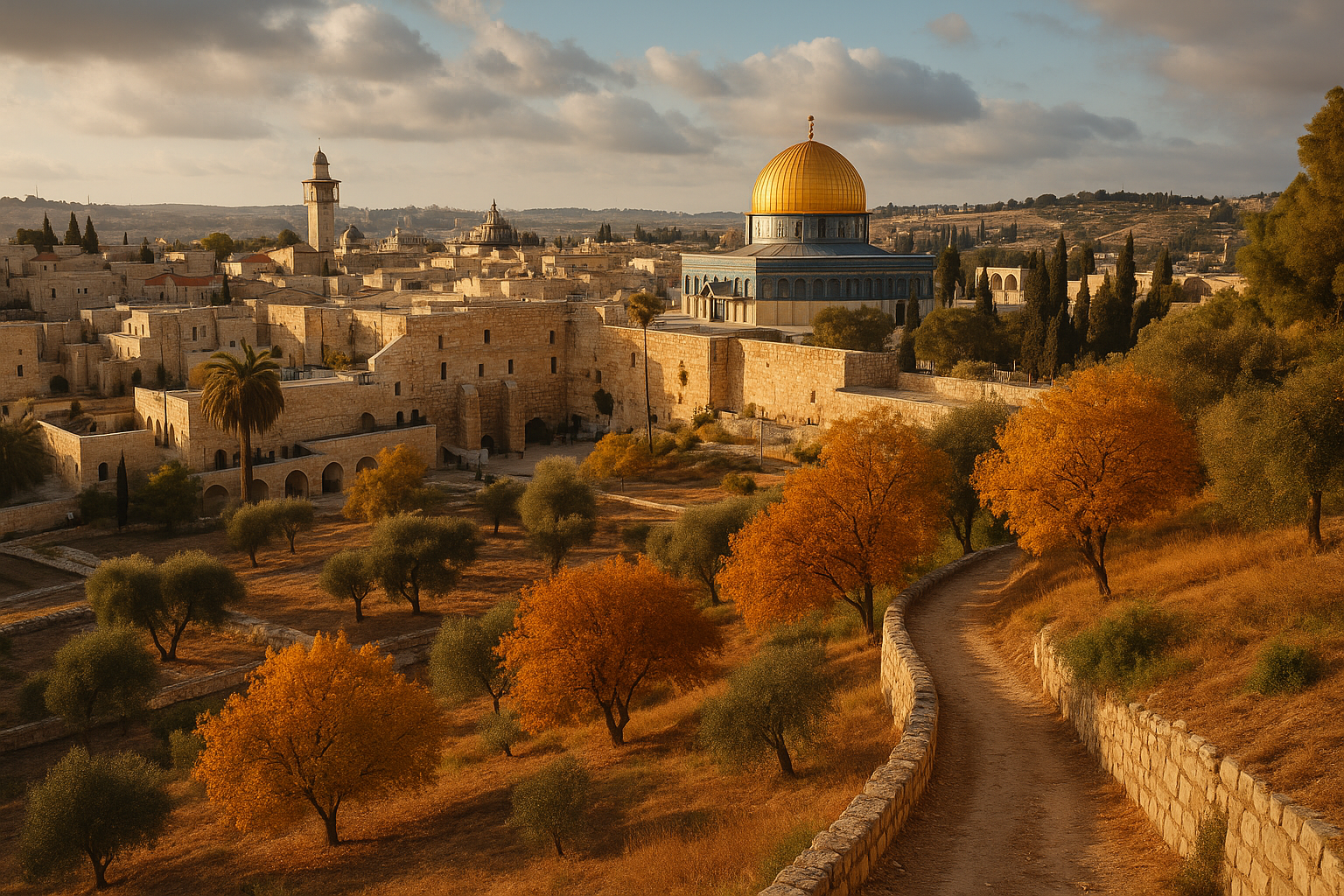
Autumn in Palestine: the olive season sets the pace
From September to November the country’s rhythm changes around olives: trees are stripped by hand, small presses scent the air with green oil, and farmers’ markets fill with newly pressed bottles and piles of sumac and pomegranates. Nights cool sharply by November, making morning markets and rooftop cafés the busiest hours; daytime still carries late-summer light that suits wandering alleys and sipping strong coffee under fig trees.
How Palestine actually feels on a daily level
Streets pulse between quiet residential courtyards and concentrated commercial streets where shopkeepers know regulars by name. In towns you’ll notice more conservative dress than in university neighbourhoods; handshakes and the word Salaam are the common opening, while close friends greet with two or three air kisses. When invited into a home expect a few staged refusals before your host sits you down with a large, shared plate — Musakhan or Maqluba are typical autumn dishes — and you will be fed until the host is satisfied you’ve eaten enough.
Moving around Palestine in autumn
Distances on the map are short, but travel times vary: a neighbour city can be a 20–minute drive or a much longer trip because of road networks and checkpoints that affect some routes. Shared minibuses and taxis are the common practical choice for intercity hops; in larger towns credit cards work in restaurants and shops but many market stalls expect Israeli new shekels in cash. Arabic is the working language; in cities and tourist-facing shops basic English gets you most of the way but a few words of Arabic—shukran, sabaH el-kheir—go a long way.
Eating in autumn: what to expect at the table
The season sharpens flavours: olive oil is everywhere, roasted onions and sumac tint everyday cooking, and pomegranates or late grapes appear in desserts. Meals are social and often arranged around a communal pot; ordering a mezze spread is as much about lingering as about food. If a family offers you a plate, accept a modest portion at first and expect to be encouraged to take more—their insistence is the custom.
Quick 5
Palestine
Palestine
Palestine
Palestine
Palestine
Travel Requirements
What you need to enter Palestine, for the passport you hold.