
Syria
Short description
Autumn in Syria: what the season rearranges
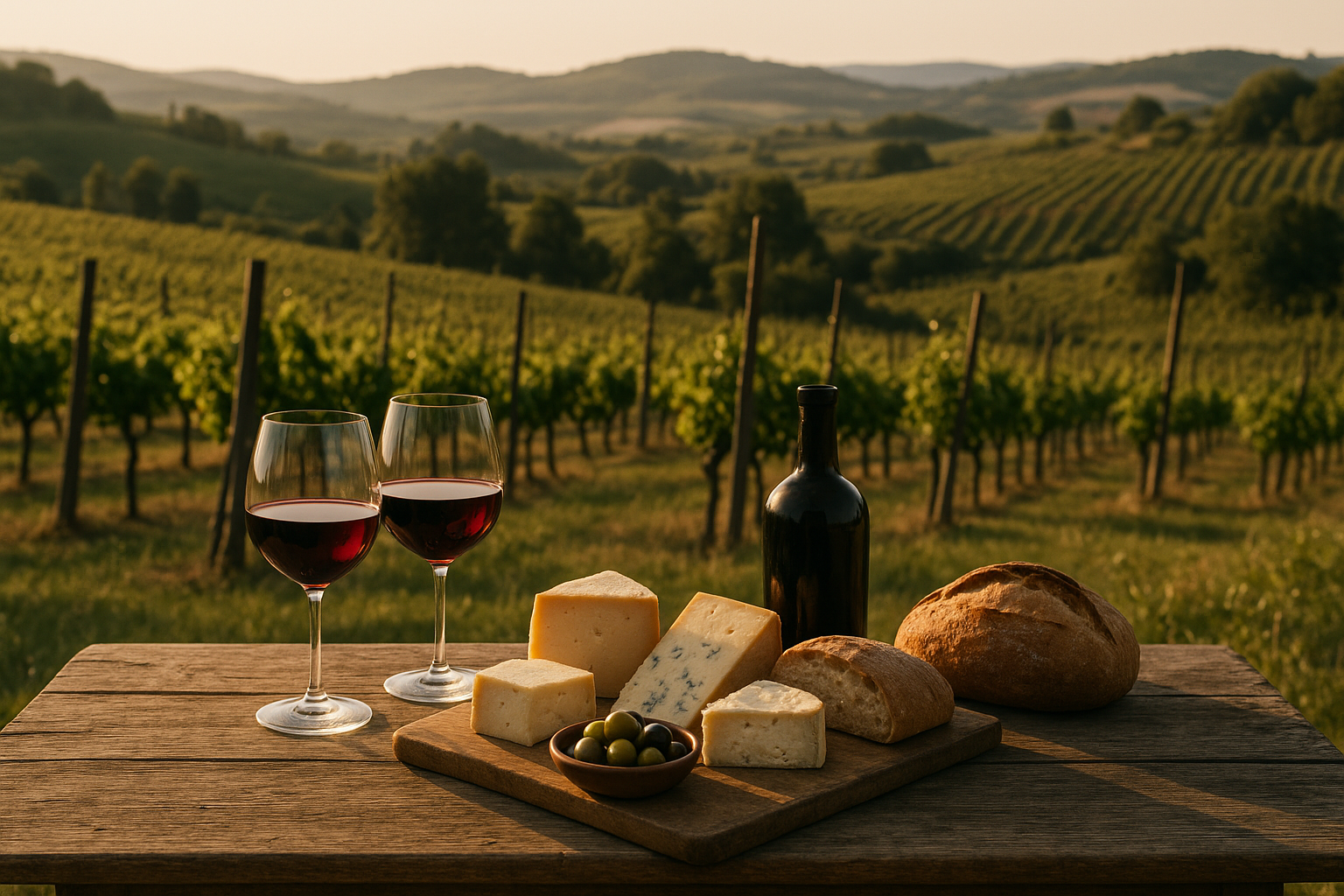
Autumn in Syria pulls the first rains down the western spine: olive pickers in Idlib and the coastal foothills are already turning up nets by late October, and vineyards around Suwayda and the Damascus countryside start their grape runs earlier than inland plains.
How Syria feels on the move in September–November
City mornings in Damascus and Aleppo stay warm into September but nights cool quickly by November, which reshapes the day — people move outdoors after sunset and markets stay lively later than they do in the heat of summer. Road travel between cities can look short on a map but takes longer in practice because mountain routes tighten and trucks move slowly; most Syrians still rely on shared minibuses and intercity coaches rather than frequent domestic flights.
How everyday life plays out for a visitor in Syrian autumn
When you arrive at a Syrian home you will typically be offered strong black tea and small plates immediately; in Damascus the ritual of offering sweets and coffee can mark even a brief visit. Men use firm handshakes; women may accept or decline a handshake depending on the household — follow the host. Friday lunches remain the main family meal in many towns, and as evenings lengthen people gather in cafés and teahouses for long conversations and nargileh along the coast and in city souqs.
Eating in Syrian autumn you can taste the season
Autumn is olive season here: villages around Homs and Tartus press new oil and neighbours trade jars, so asking for a taste of freshly pressed oil in a market is worth the effort. Seasonal pomegranates and figs arrive alongside chestnuts and late grapes; street stalls sell shawarma and grilled kebabs warmed by the cooler nights, while Aleppo’s pepper and the region’s flatbreads appear across tables. Expect meals served family-style, and a steady succession of small plates rather than plated courses.
Quick 5
Syria
Syria
Syria
Syria
Syria
Regions

Travel Requirements
What you need to enter Syria, for the passport you hold.
Places of interest
Landscapes in Syria
Travel Tips