


Poland→Syria
Poland to Syria
Do I need a visa for Syria?
A visa is required and it must be obtained before you travel. The permission is a physical visa issued by a Syrian embassy or consulate. The exact validity of the visa varies by case and is determined when the visa is granted.
Which documents do I need?
You must travel on a Polish passport or a Polish temporary passport; both are accepted. A national identity card and a driving licence are not accepted for entry on this route. Your passport must be valid for at least 6 months from the date you enter Syria.
Are vaccinations required for Syria?
No vaccinations are recorded as mandatory for short tourist visits on this route. Vaccinations against polio, cholera, hepatitis A and hepatitis B are recommended; the guidance highlights polio vaccination because of recent outbreaks.
Can children travel on this route?
Children and other travellers under 18 need only an accepted travel document (passport or temporary passport) to enter; no parental-consent letters or extra paperwork are required for minors on this route.
Do I need travel insurance?
Travel insurance is recommended but it is not a condition of entry. No minimum cover is specified in the available sources.
Where do I get the visa?
The Syrian visa for Polish travellers is obtained at a Syrian embassy or consulate. Syria maintains an embassy or consular presence reachable from Poland, so you can apply without leaving the country. The embassy website is provided for consular help but is not an application portal listed in the sources.
Frequently asked questions
Can I use my Polish national ID card or driving licence instead of a passport?
A Polish passport or a Polish temporary passport is accepted for entry to Syria; a national identity card or a driving licence is not accepted.
How long must my passport be valid?
The Syrian authorities require your travel document to be valid for at least 6 months beyond the date you enter Syria.
Do I need to fill in an arrival card or register on arrival?
No arrival registration or entry card is required when you arrive in Syria on this route.
Do I have to buy travel insurance to enter Syria?
Travel insurance is recommended but it is not a condition of entry to Syria.
Which vaccinations should I have before travelling?
Polio, cholera, hepatitis A and hepatitis B vaccinations are recommended; the official guidance notes polio vaccination because of outbreaks. No vaccinations are recorded as mandatory for short tourist visits on this route.
Will I need to show bank statements or proof of funds at the border?
You will not be asked to show proof of funds; there is no requirement to present bank statements or cash evidence for entry on this route.
What documents do children need to enter Syria?
Travellers under 18 need only an accepted travel document (passport or temporary passport); no parental-consent letters or extra paperwork are required for minors on this route.
What consular help can I expect in Syria?
Because Poland’s diplomatic presence in Syria is limited, consular assistance for Polish citizens in Syria is constrained; in countries without a Polish post you have the right to seek help from another EU country's embassy on the same basis as that country's citizens.
What if my passport is damaged or nearly full?
If your passport is damaged or worn, you should carry a valid Polish passport or temporary passport; other documents such as ID cards are not accepted for entry, so a damaged passport risks refusal at border control.
Do I need to pay an entry fee or show an onward ticket?
There is no requirement to pay any specific entry fee or show an onward ticket recorded in the provided sources for this route.
How should I handle money while in Syria?
Because Syria has very limited international banking and few cashless payment options, plan to have appropriate local currency available for local costs.
Are there any health tests I should know about for longer stays?
If there is a health concern during a longer stay, Syrian rules require HIV testing for stays longer than one year; this applies to longer residencies rather than short tourist trips.
Where can I check the official rules?
When was this last checked?
Our checker last confirmed these requirements on August 5, 2026. Entry rules can change without notice, so confirm against the official source below before you travel.
Before you travel
- 1Apply before you travel
Apply before you book. Processing times vary, and a refusal cannot be appealed at the border.
- 2Check your passport
Your passport must stay valid for 6 months beyond your trip.
- Travel insurance
Not required to enter, but treatment is charged to visitors — worth a policy that covers repatriation.
- Save your embassy’s contact
Your nearest mission: Syria — worth having if your documents are lost.
Open the embassy page - Read our travel guides
Local know-how, seasons and etiquette — the things a border does not check but a trip depends on.
Open the guide
 More about Syria
Asia
- Capital
- Damascus
- Currency
- Syrian Pound (SYP)
- Known for
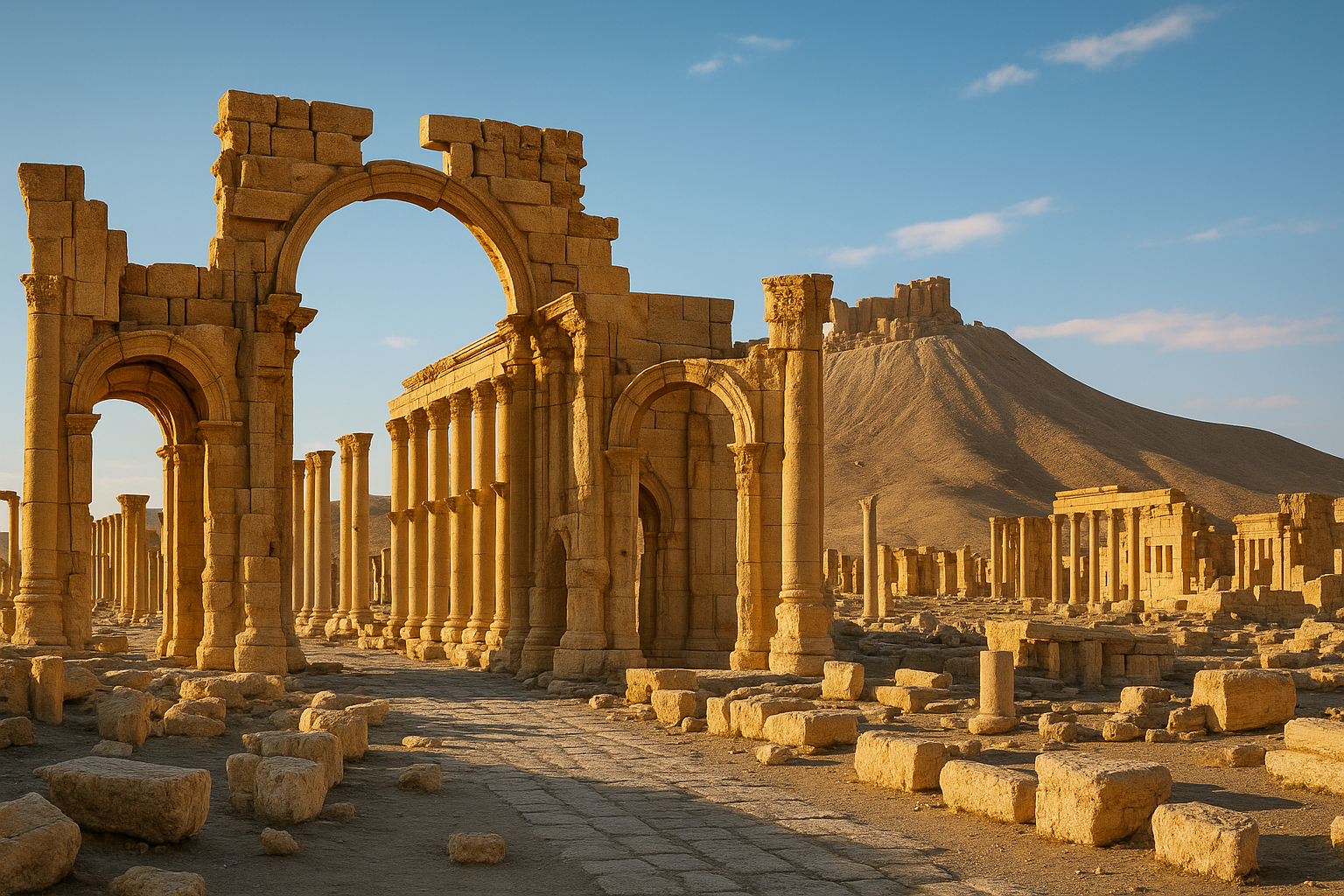
- Ancient ruins, Middle Eastern cuisine, Historic sites
- Food
- Kibbeh, Fattoush, Shawarma