

Bulgaria
Short description
How Bulgaria feels in autumn
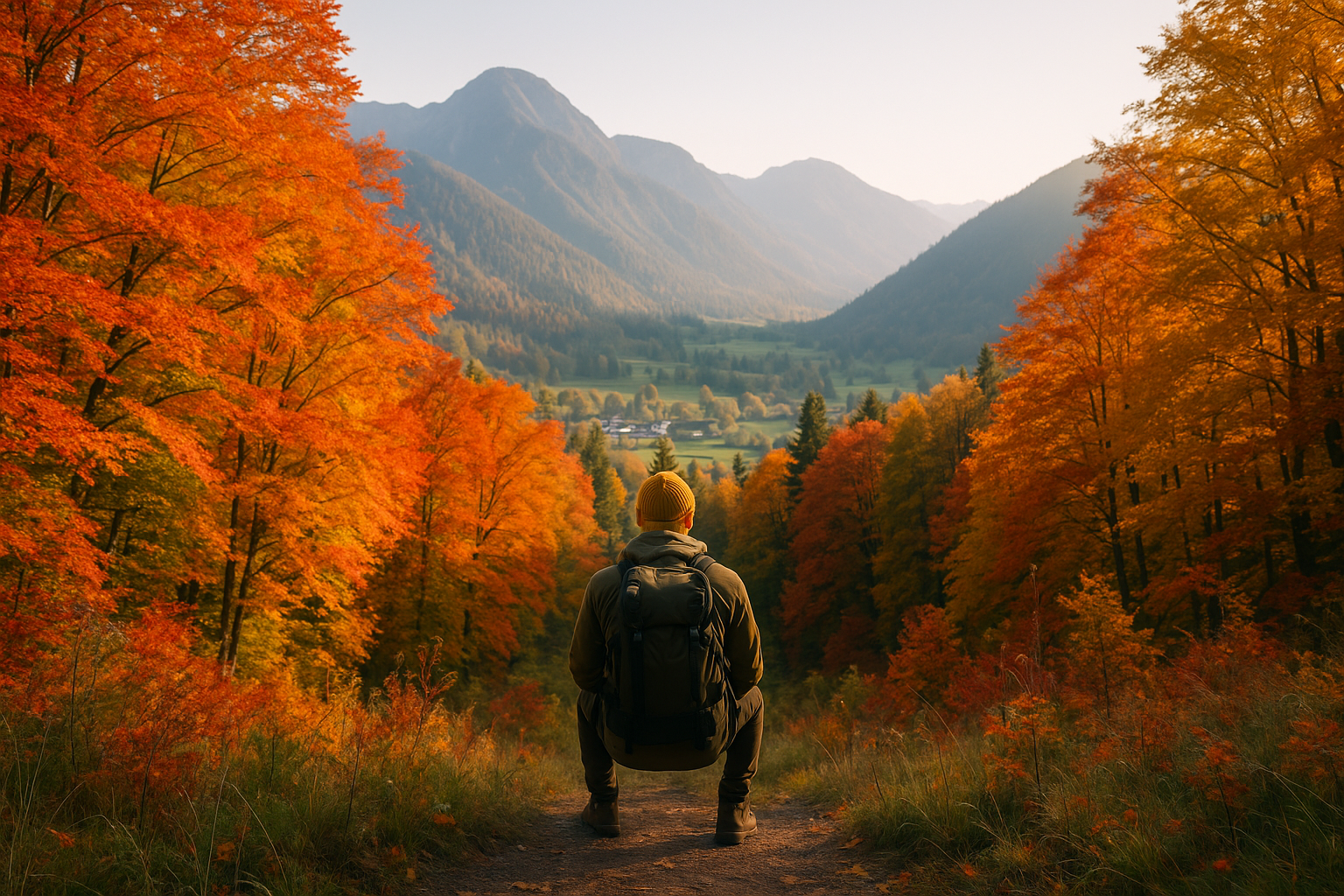
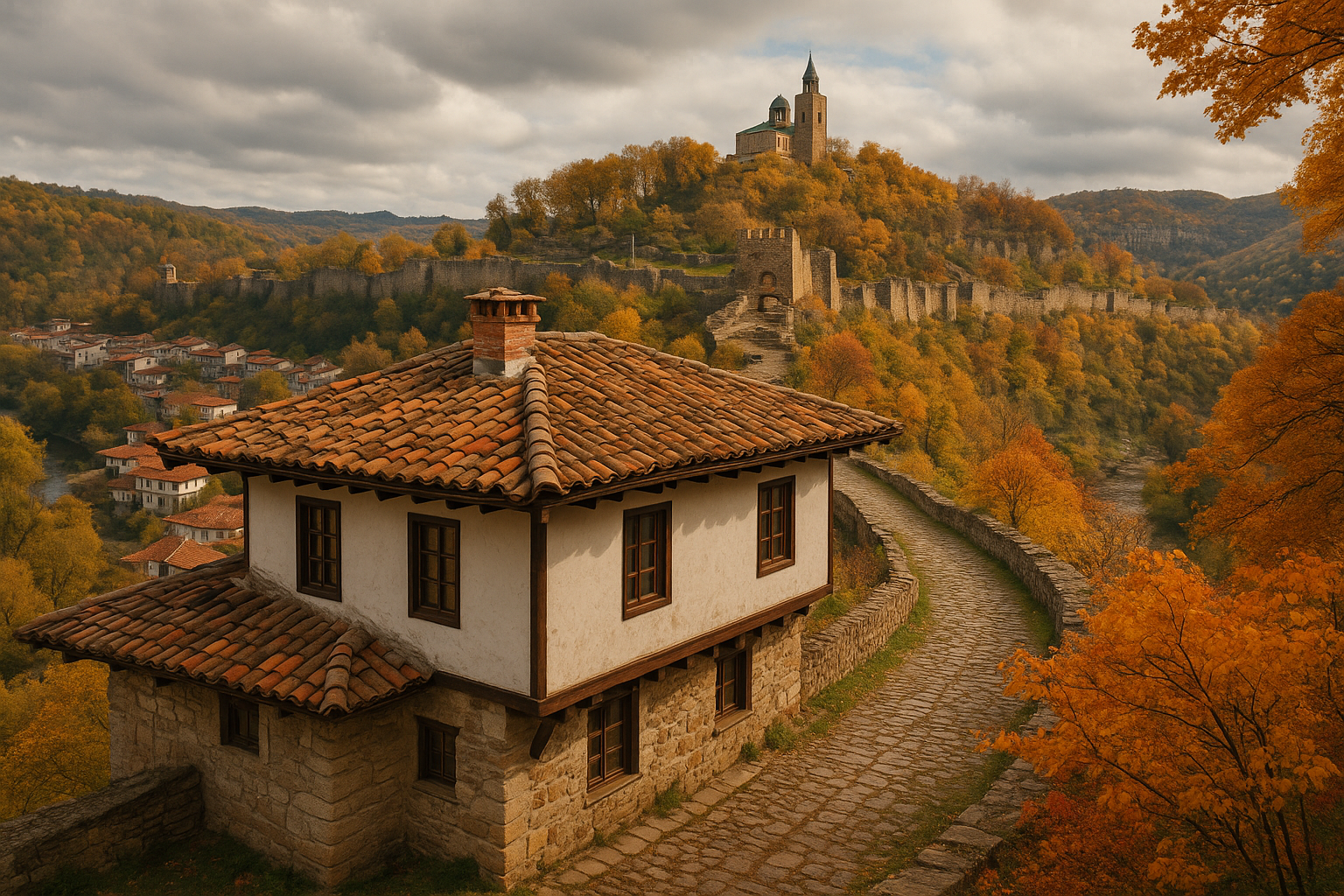
September to November in Bulgaria drags the heat out of summer slowly: lowland towns keep warm afternoons into September, while the high ridges of the Balkan range and Rila pick up a first, sharp cold and patchy snow by late October. Cities change pace — Sofia and Plovdiv move from summer tourism to a quieter rhythm of school terms and indoor cafes, while villages around the Rhodope and Strandzha start sealing windows and stacking wood. The landscape is colour-led: chestnut and beech stands go brown and red, vineyards flash yellow, and the air on market streets smells of roasting peppers and smoked meats.
Autumn's work and taste in Bulgaria
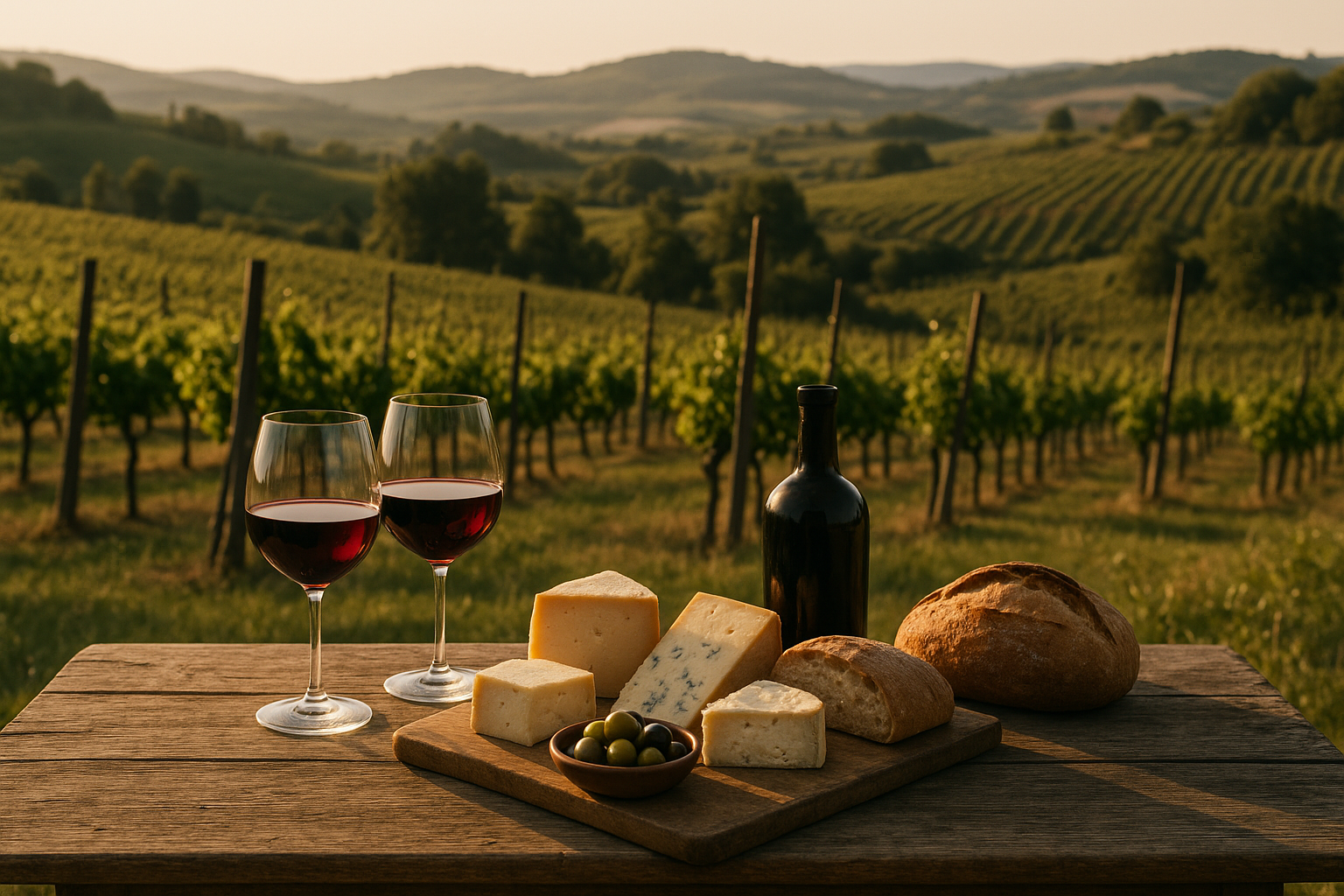
Harvest labour is visible: small family wineries press grapes through September and cellar the young wine nearby, and market stalls fill with apples, quince and pumpkins. Food shifts toward heat and slow cooking — expect plates of kavarma and bean soup, thick stews that restaurants switch to as temperatures drop, and sweets like tikvenik (pumpkin pastry) arriving on dessert lists. Banitsa bakers still run early-morning queues, and shopska salad survives the season on nearly every menu as a crunchy counterpoint to heavier dishes.
Getting around Bulgaria in the colder months
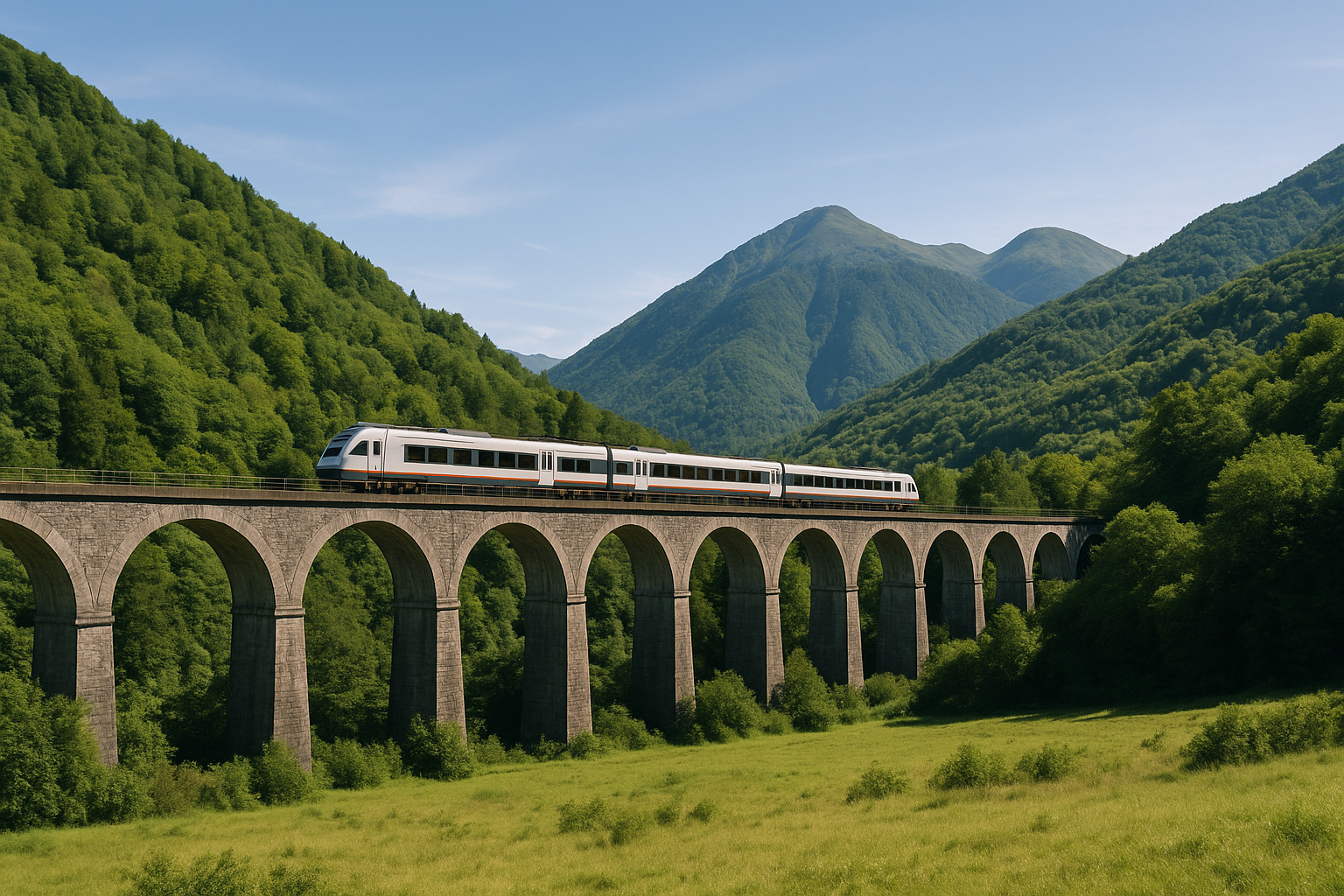
Distances feel shorter than the map suggests: major cities are linked by fast highways but local roads into mountain villages narrow and can be muddy after rain. Long-distance buses are often faster and more frequent than regional trains; trains are useful for overnight legs between the big cities. Card payment works in hotels, chain restaurants and most shops in towns, but small village vendors and market stalls prefer Bulgarian leva, so carry some cash. Mobile coverage is generally good in cities and towns; expect patchier reception on forested mountain slopes.
Daily customs you’ll notice in Bulgaria
People greet with a firm handshake in formal situations and with first names quickly once rapport is built; offering tea or rakia at a home visit is common and polite to accept. Tipping around ten percent is customary in restaurants. Signs are in Bulgarian using Cyrillic, and picking up a few letters makes everyday navigation noticeably easier. Above all, autumn here feels pragmatic: shops and services shift indoors and the country moves toward home cooking, local wines and quieter streets.
Quick 5
Bulgaria
Bulgaria
Bulgaria
Bulgaria
Bulgaria
Regions
Travel Requirements
What you need to enter Bulgaria, for the passport you hold.
Places of interest
Landscapes in Bulgaria
Travel Tips