

Poland→Bulgaria
Poland to Bulgaria
Do I need a visa for Bulgaria?
Polish citizens do not need a visa or any travel authorisation to enter Bulgaria for a tourist stay; you board with an accepted travel document only.
This permission does not allow paid work or study while you are in Bulgaria.
Which documents do I need?
You may enter on a passport, a national identity card or a temporary passport. An electronic national ID stored only in the mObywatel app is not accepted abroad; carry the physical (plastic) ID if you plan to use it.
A driving licence is not accepted for entry on this route.
Are vaccinations required for Bulgaria?
No vaccinations are required or recommended as entry conditions for this tourist route to Bulgaria.
How long can I stay, and can I extend it?
One entry permits a stay of up to 90 days; this is counted within a six-month period starting from the day of first entry.
No arrival registration or entry card is required for this tourist trip.
Can children travel on this route?
Travellers under 18 need only an accepted travel document (passport, national identity card or temporary passport); no parental-consent letters or extra paperwork are required for minors.
Do I need travel insurance?
Travel insurance is recommended but it is not a condition of entry to Bulgaria. The European Health Insurance Card (EHIC) provides access to basic state medical services for those covered by NFZ, but private insurance is advised for wider cover and for mountain-rescue costs.
Frequently asked questions
Can I use my Polish driving licence to get into Bulgaria?
Polish citizens may enter Bulgaria with an ordinary passport, a national identity card or a temporary passport; a driving licence is not accepted for border entry.
Will I have to prove I have enough money for my trip?
Bulgaria does not require you to show proof of funds on this route; you will not be asked for bank statements or cash at border control.
Do I have to fill in an arrival form when I land?
There is no arrival card or entry registration to complete on arrival in Bulgaria for this tourist trip.
Will my EU health coverage work in Bulgaria?
Polish nationals may use the European Health Insurance Card (EHIC) for basic state medical care if covered by NFZ, but EHIC covers only basic services; additional private insurance is recommended for wider cover and mountain rescue costs.
What if I lose my passport while I'm in Bulgaria?
If you lose your travel document while in Bulgaria, you can obtain a temporary passport from the Polish embassy or consular services for return to Poland.
Can I use the digital ID in the mObywatel app at the border?
Electronic national ID stored only in the mObywatel app is not accepted abroad; you must carry a physical (plastic) national identity card if entering on an ID.
What document will the airline or border control ask to see?
Border officers will accept a passport, national identity card or temporary passport as your travel document; keep it available for inspection at check-in and at the border.
Does my child need extra paperwork to travel to Bulgaria?
Children under 18 need only one of the accepted travel documents (passport, national identity card or temporary passport); no parental consent letters or extra paperwork are required.
Can the embassy in Poland issue my entry permit or travel authorisation for Bulgaria?
The Polish embassy in Bulgaria and Polish consular contacts are listed for consular help; they can assist but are not an application route for entry permission.
Can I work or study in Bulgaria on this tourist entry?
You will be admitted for tourism only; this entry permission does not allow paid work or study while in Bulgaria.
What if my passport is damaged or has no empty pages?
If your passport is damaged or nearly full, airlines or border officials may refuse travel; carry a valid, accepted travel document and contact consular services if you have problems.
Where do I get the visa?
There is no permission to apply for to enter Bulgaria as a tourist; you travel with your passport or ID and are admitted on that basis. For consular help while in Bulgaria, the Polish embassy and consular contacts are available.
Where can I check the official rules?
When was this last checked?
Our checker last confirmed these requirements on August 5, 2026. Entry rules can change without notice, so confirm against the official source below before you travel.
Before you travel
- 1Check your travel document
Any one of these is accepted: passport, ID card, or temporary passport.
- Travel insurance
Not required upon entry, but medical treatment is paid for by travelers — it's advisable to have a policy covering medical expenses and repatriation.
- Save your embassy’s contact
Your nearest mission: Bulgaria — worth having if your documents are lost.
Open the embassy page - Stays up to 90 days
Longer than that needs a visa, and the exemption covers tourism — not paid work or study.
- Read our travel guides
Local knowledge, seasons and customs — things they won't check at the border but that your trip depends on. Everything you need to know.
Open the guide
 More about Bulgaria
Europe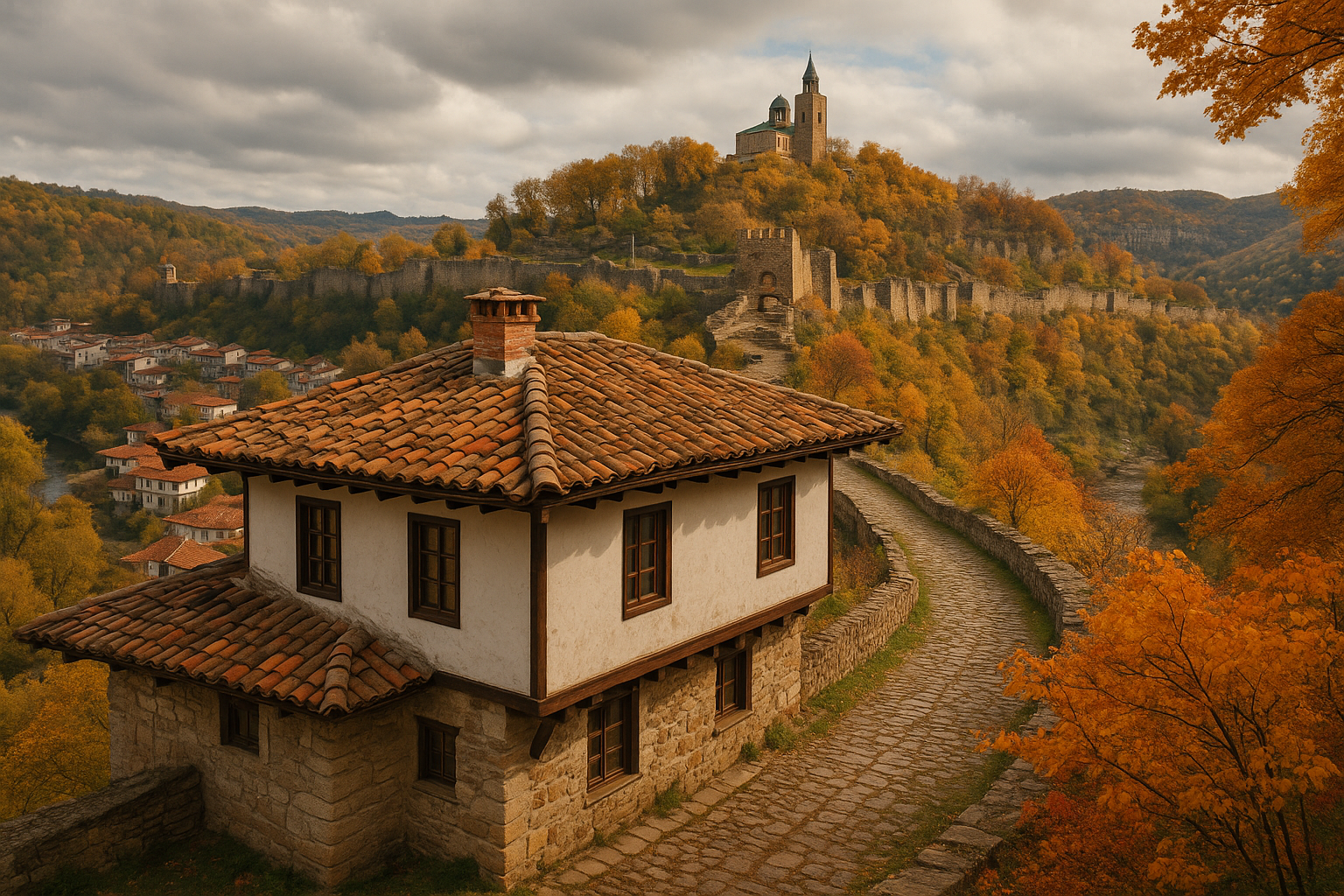
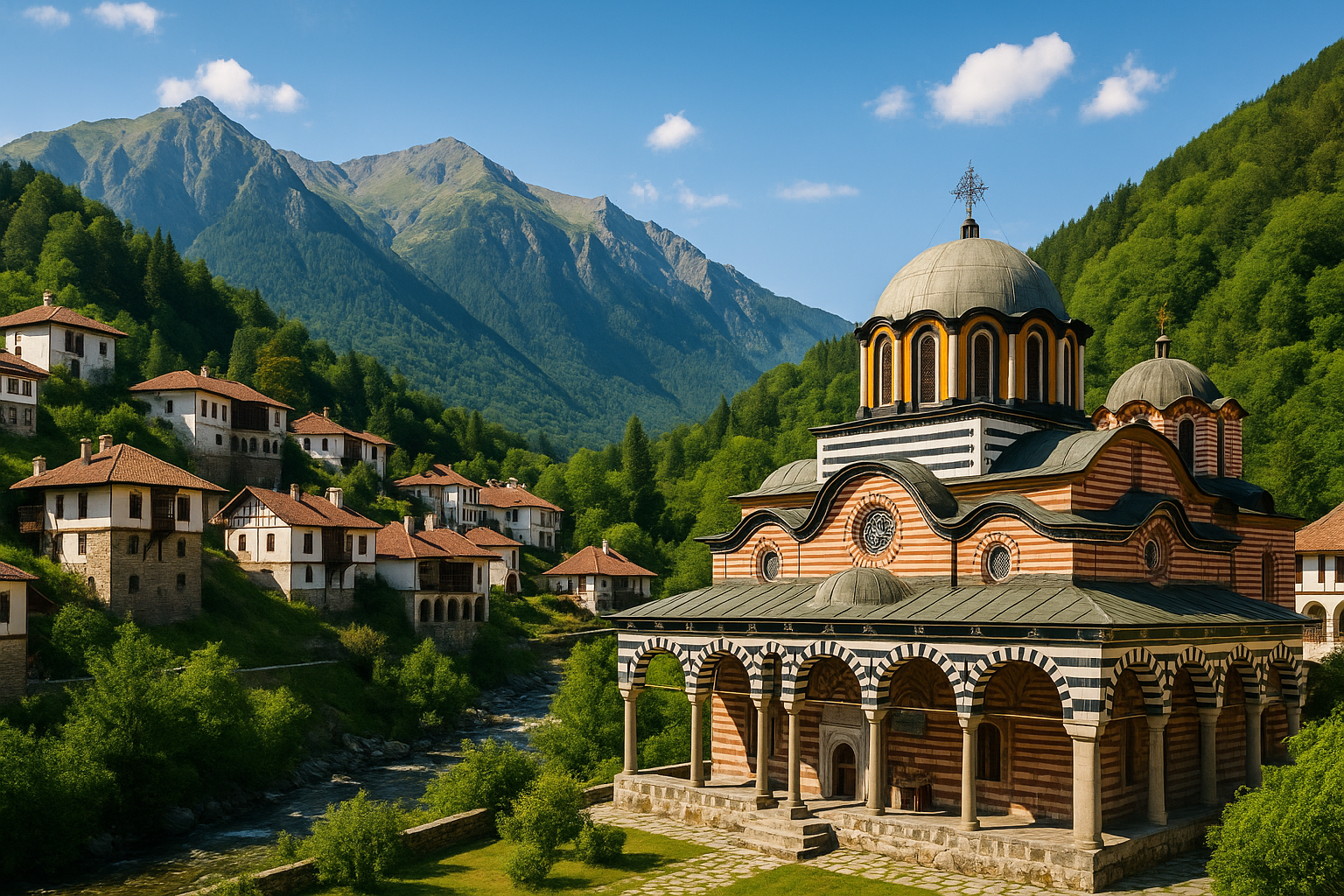
- Capital
- Sofia
- Currency
- Bulgarian Lev (BGN)
- Known for
- Rose Oil, Cyrillic Alphabet, Mountains
- Food
- Banitsa, Shopska Salad, Kavarma