
Slovakia
Short description
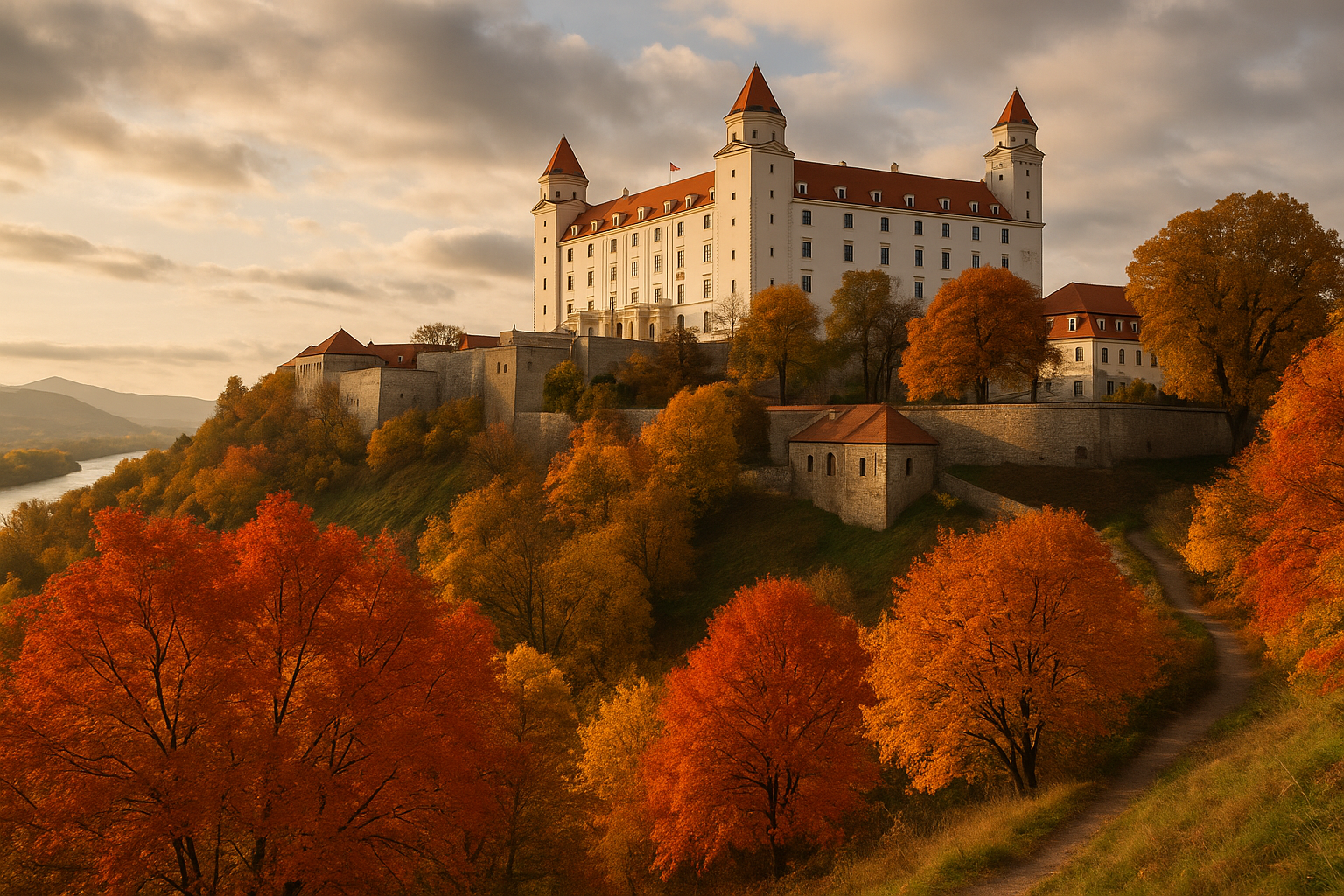
How Slovakia feels in autumn
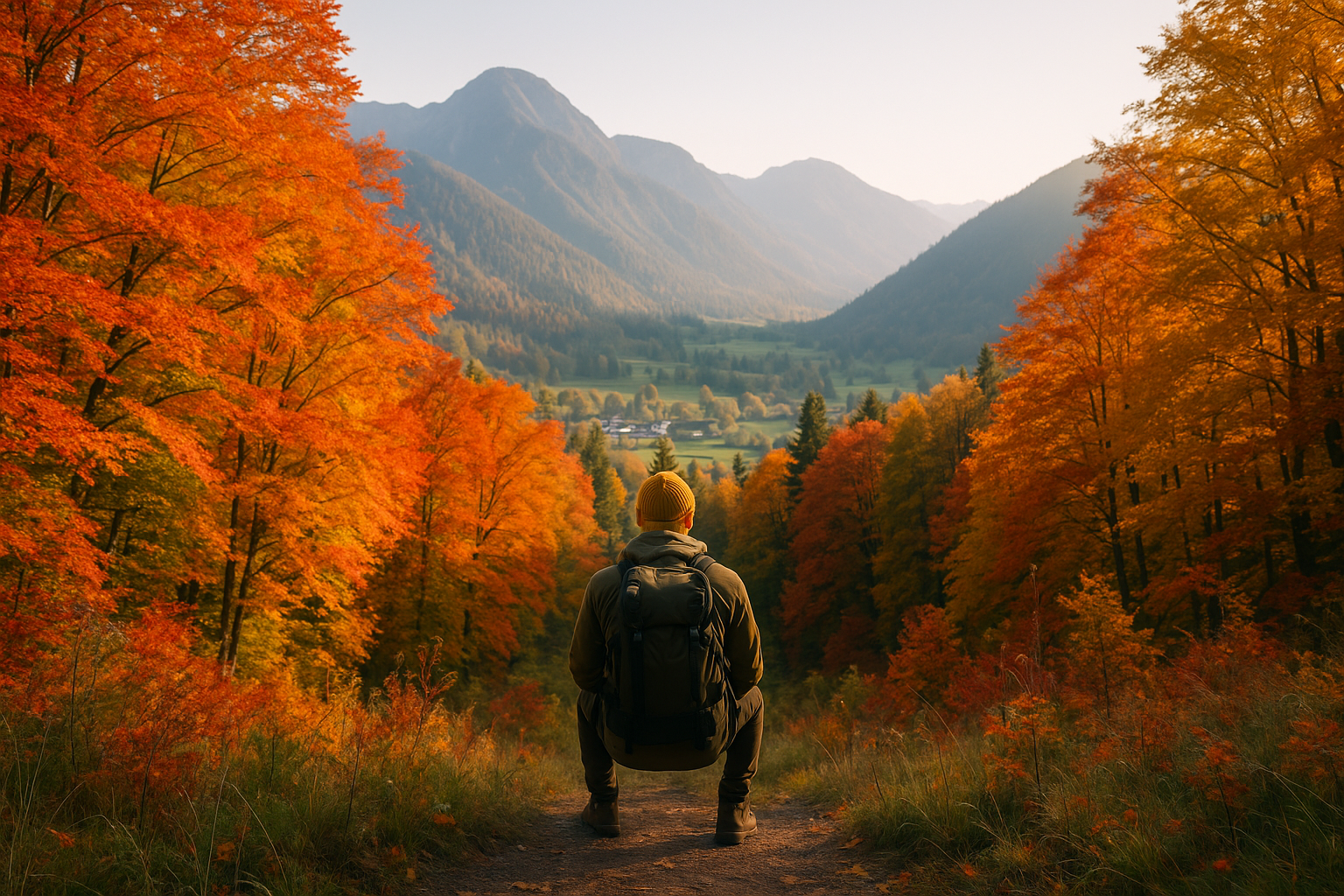
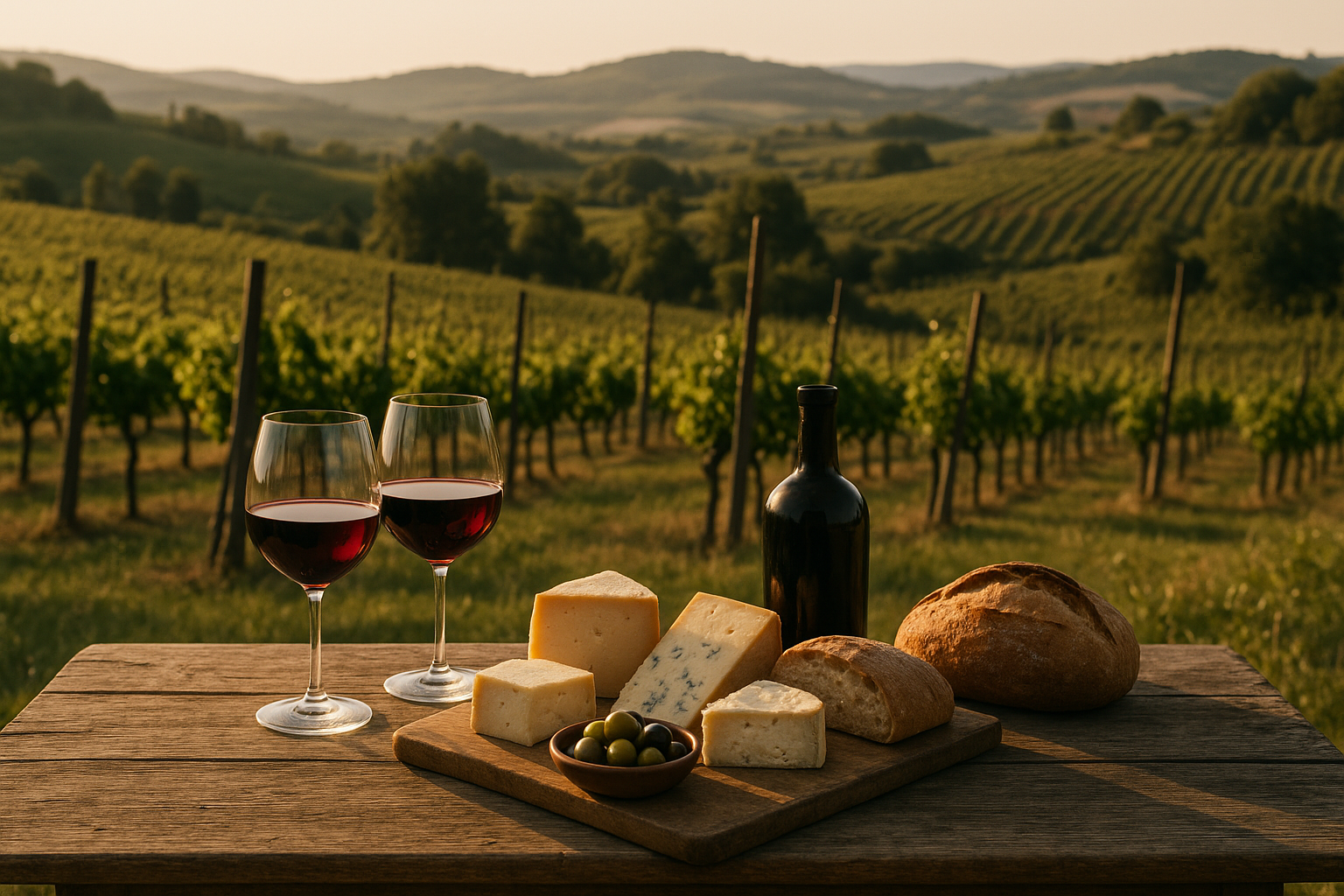
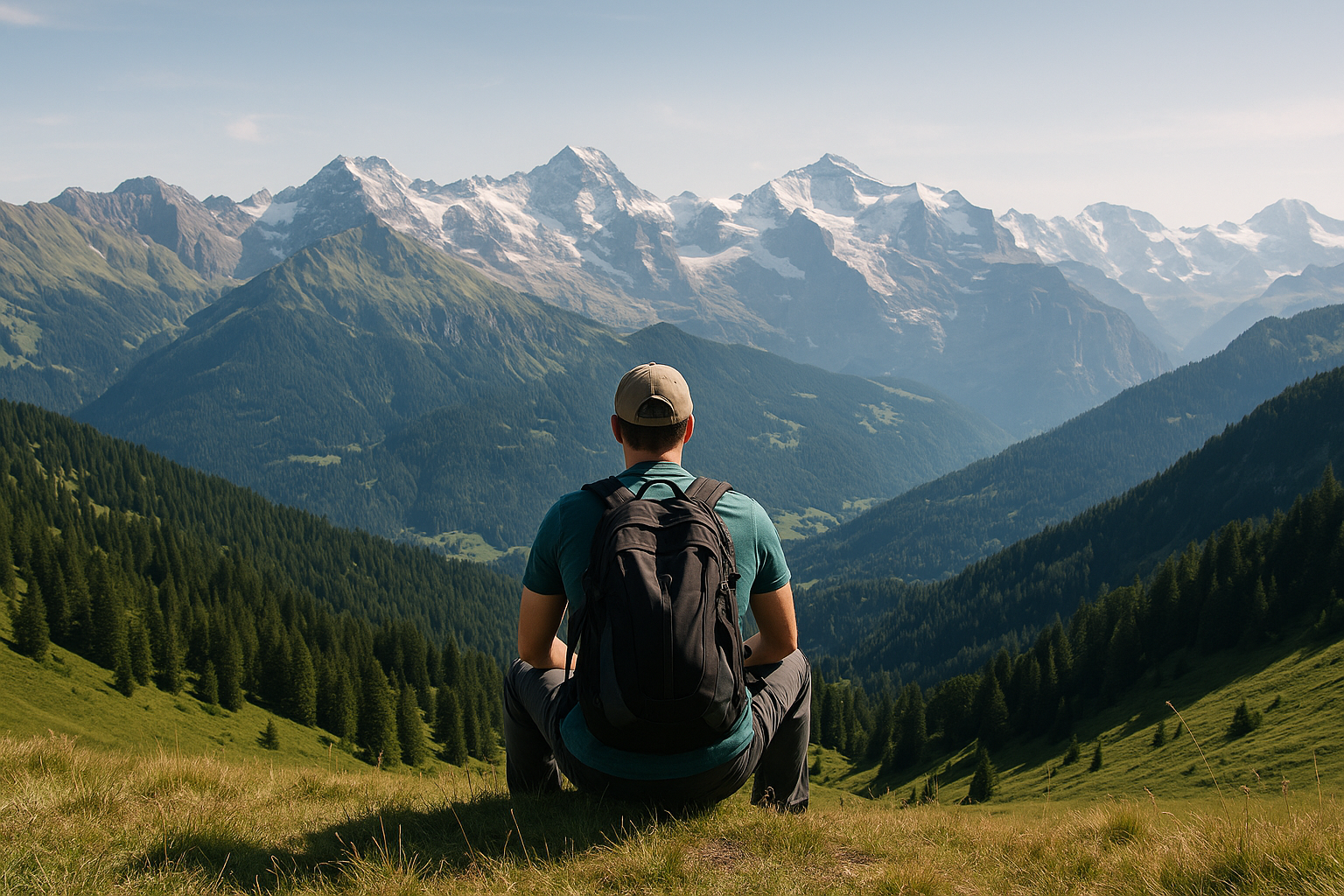
From September to November the High Tatras move from day-trippers to destination: larch needles flame a clear gold and the mountain huts thin their services as walkers swap lightweight gear for woollen layers. In the lowlands the Little Carpathians and Tokaj slopes are busiest with grape-pickers and small winemakers; you will hear tractors on country roads and see crates of white grapes at village gates.
Autumn routines that change what you can do
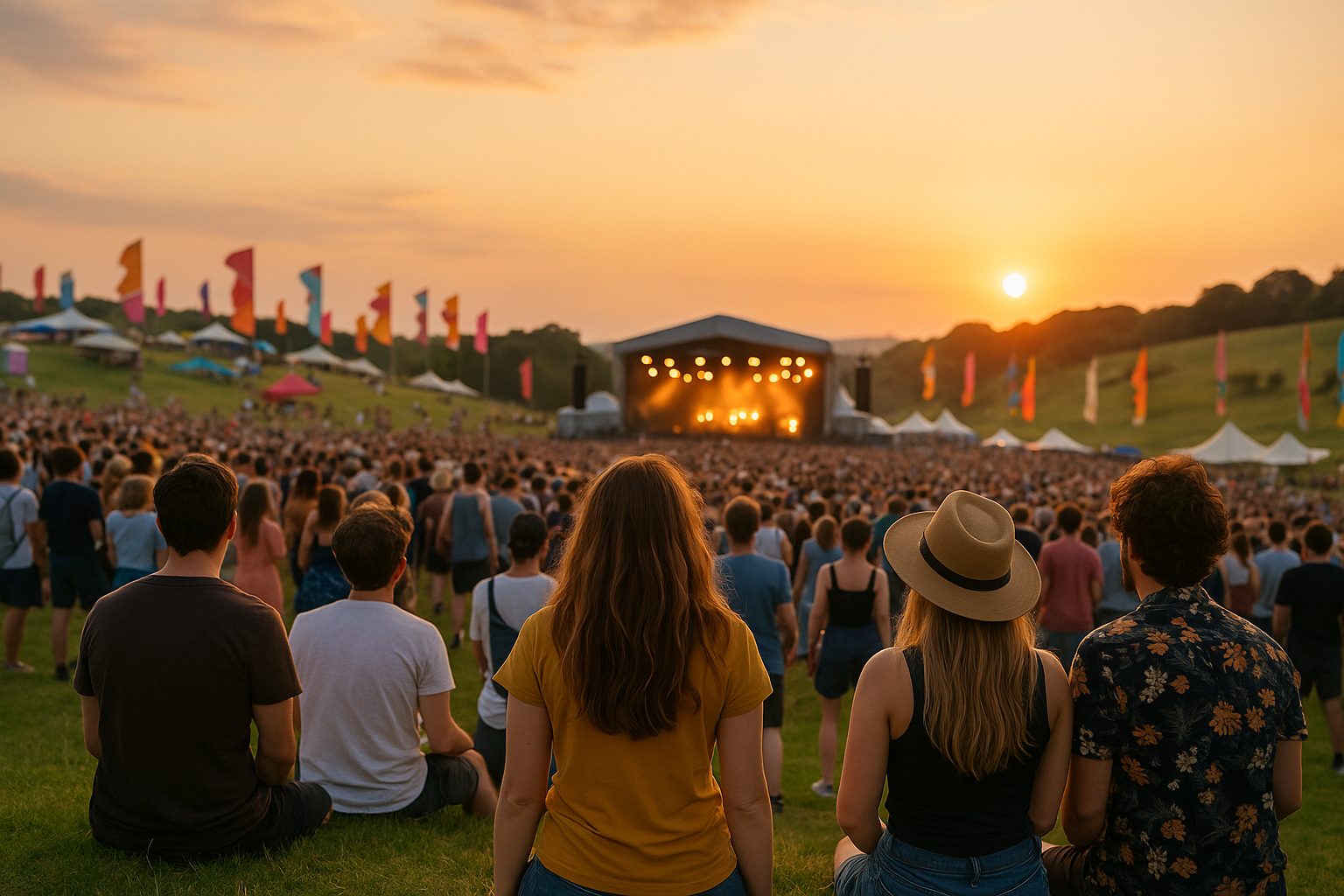
Foraging for mushrooms is a national weekend habit here — local markets in October often carry baskets of ceps and boletus gathered that morning — and many towns stage vinobranie, the grape-harvest festivals, where homemade wine and slivovica are sampled at long communal tables. Some mountain lifts begin closing by late October and a number of pension-style guesthouses shut for the quieter winter months, so plan shorter adventures in November or expect fewer open options in higher villages.
Getting around when the leaves are turning
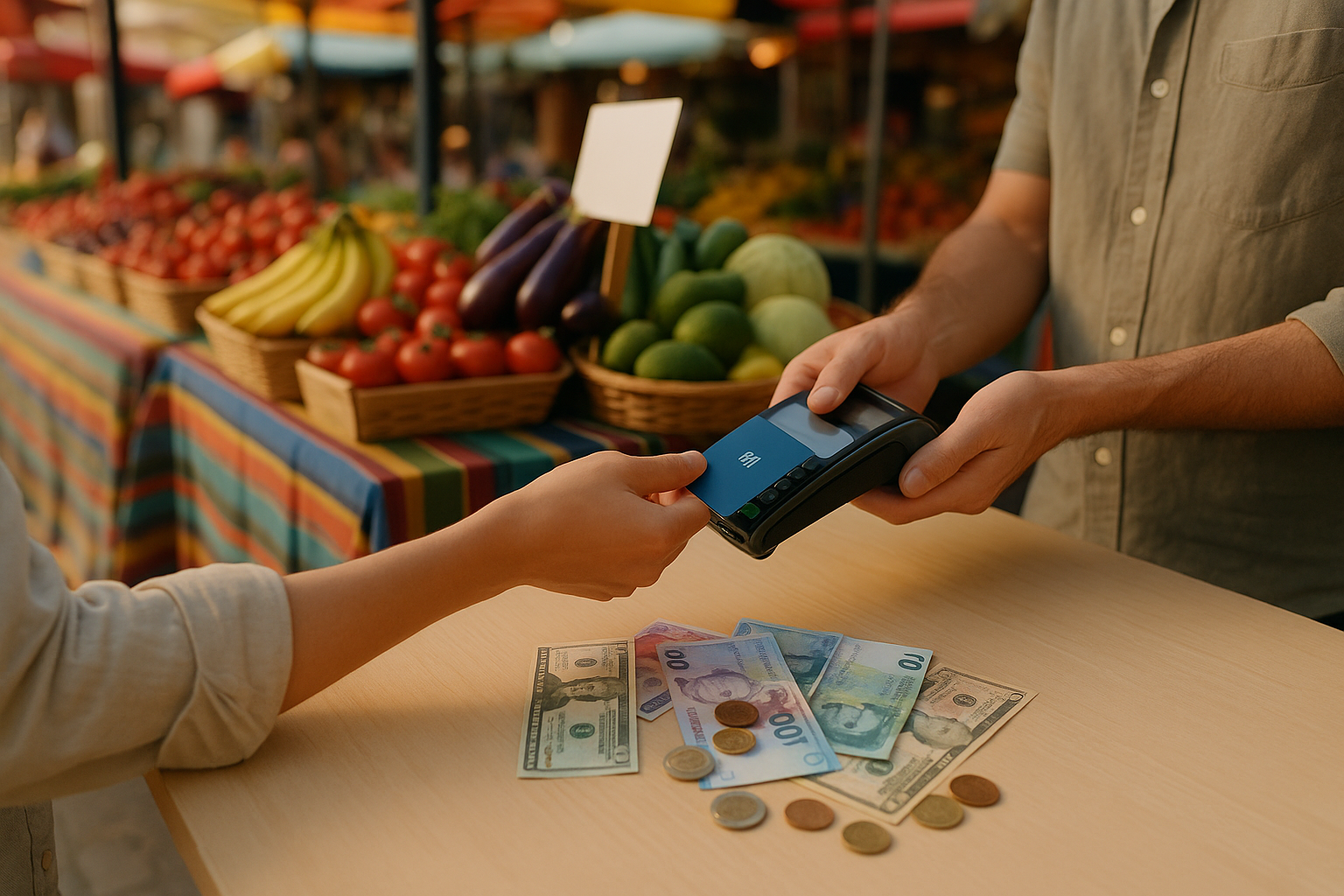
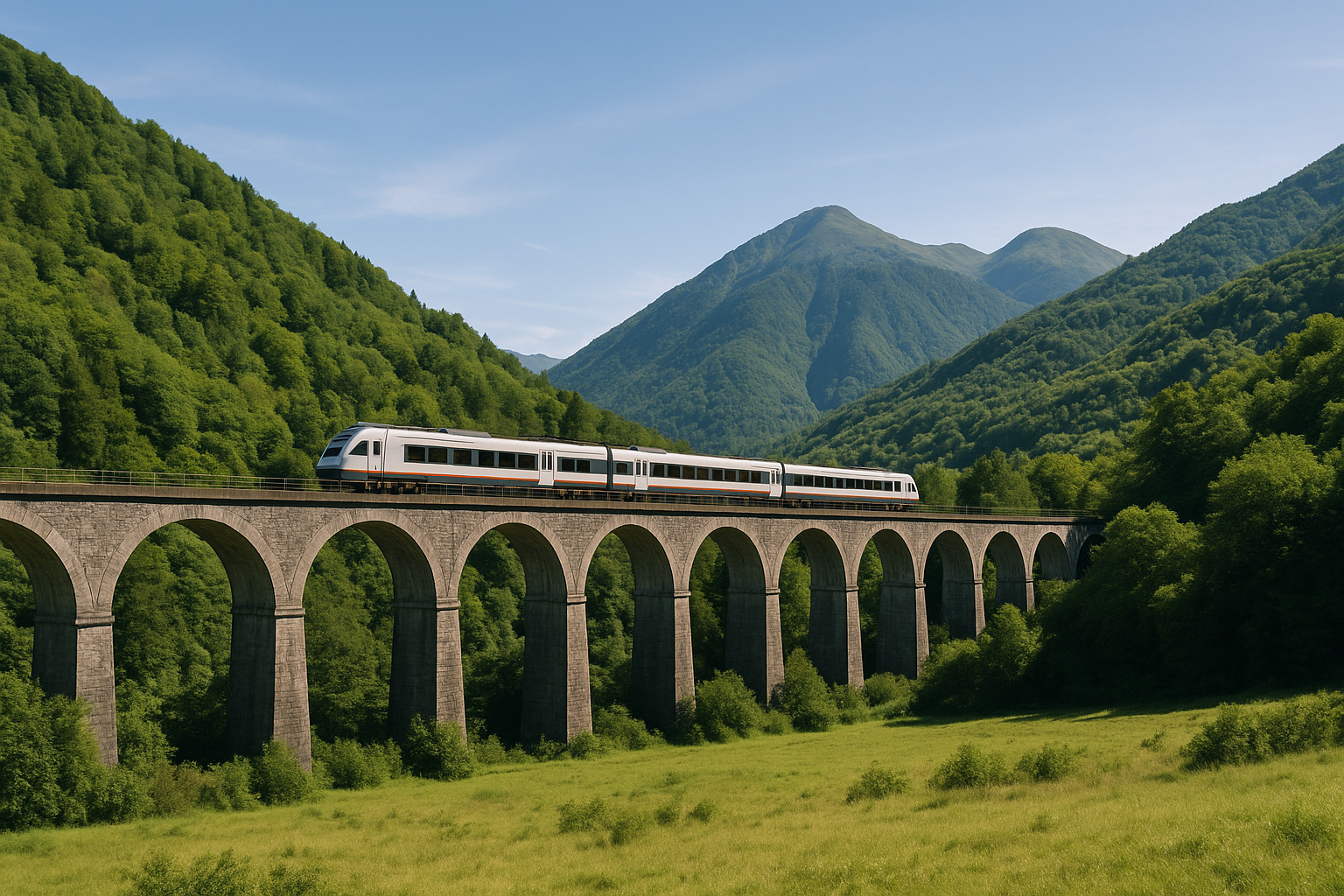
Slovakia’s rail operator runs reasonable connections between Bratislava, the central plains and the east but regional trains slow considerably past the main corridors; buses fill the gaps to small villages. Renting a car makes sense if you want to reach cellar doors or remote trailheads, but carry some cash — tiny village inns and market stalls sometimes take only euros in notes. In towns, contact in English often works in cafés and hotels, while learning a few greetings in Slovak immediately changes how people respond.
Eating, sharing and unexpected local rules
Autumn menus lean on what was preserved over summer: cabbage and smoked pork turn into thick kapustnica, and bryndzové halušky — potato dumplings with sheep’s curd — is what many Slovaks order when they want something that tastes of home. If you are invited to a village table expect to be offered a shot of plum brandy and to return the gesture; tipping of around ten percent is normal in restaurants in the cities but smaller cafés and rural hosts accept a rounded-up amount or direct thanks instead.
Quick 5
Slovakia
Slovakia
Slovakia
Slovakia
Slovakia
Regions

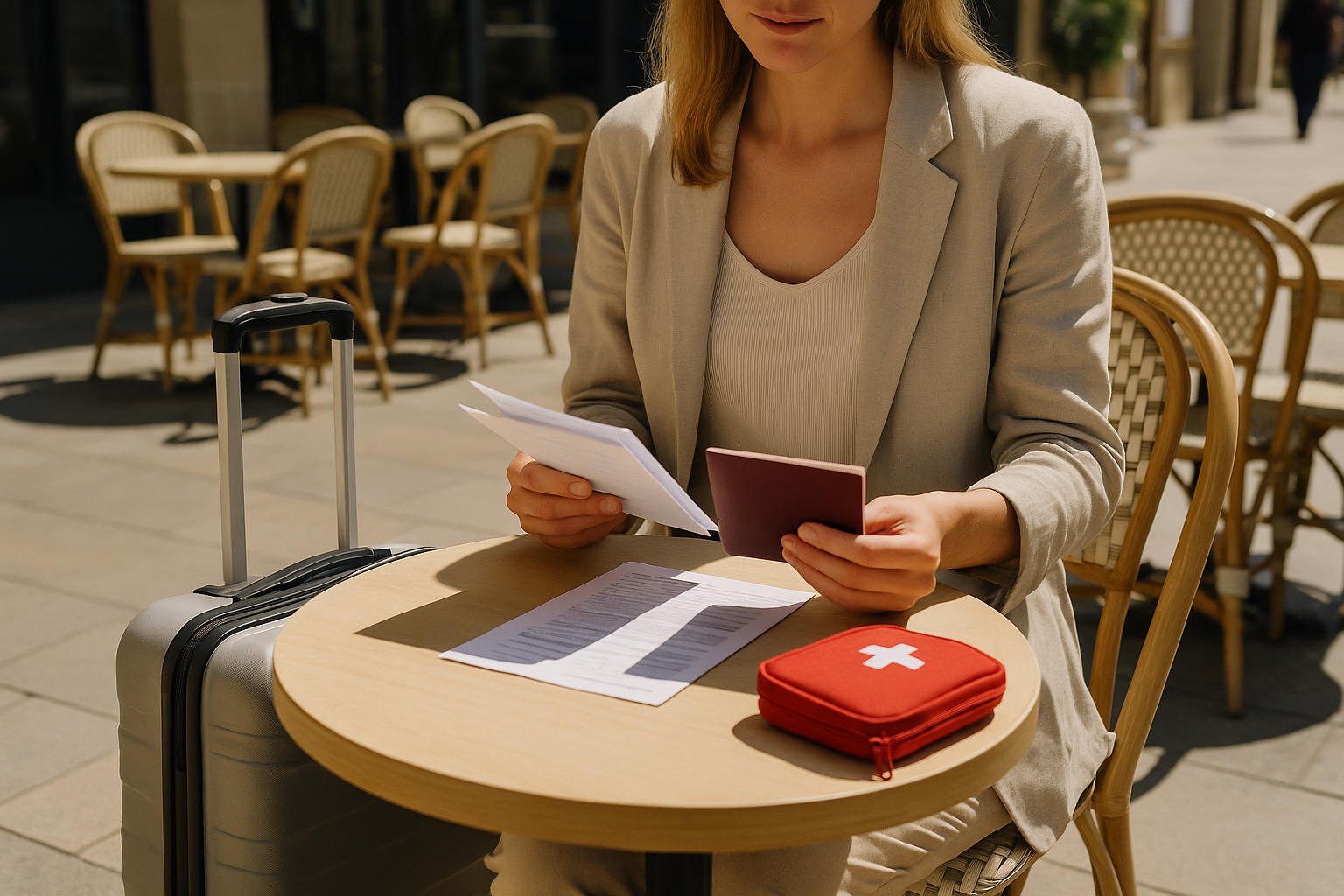
Travel Requirements
What you need to enter Slovakia, for the passport you hold.
Places of interest
Landscapes in Slovakia
Travel Tips