
Maldives
Short description
How the islands feel in autumn in the Maldives
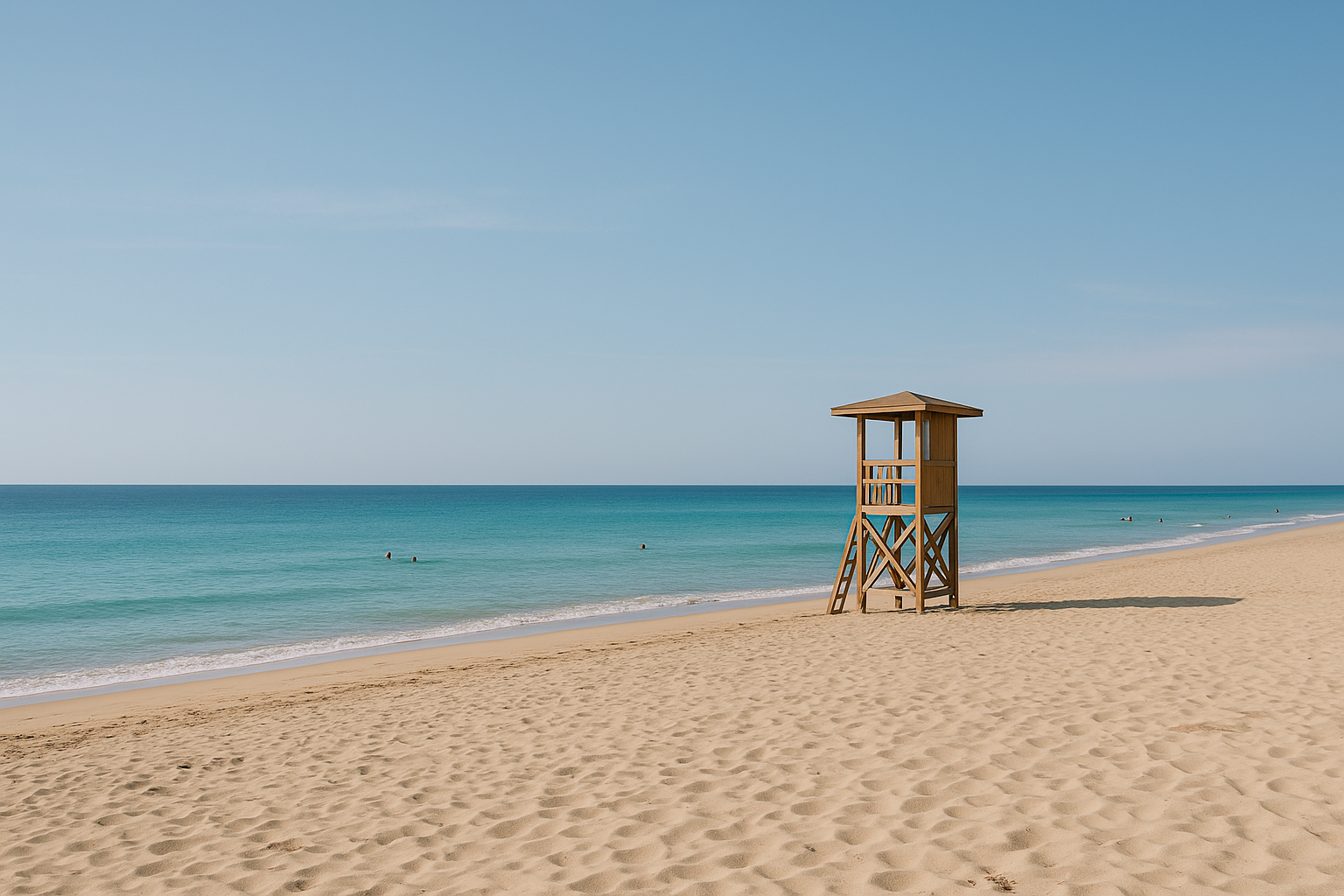
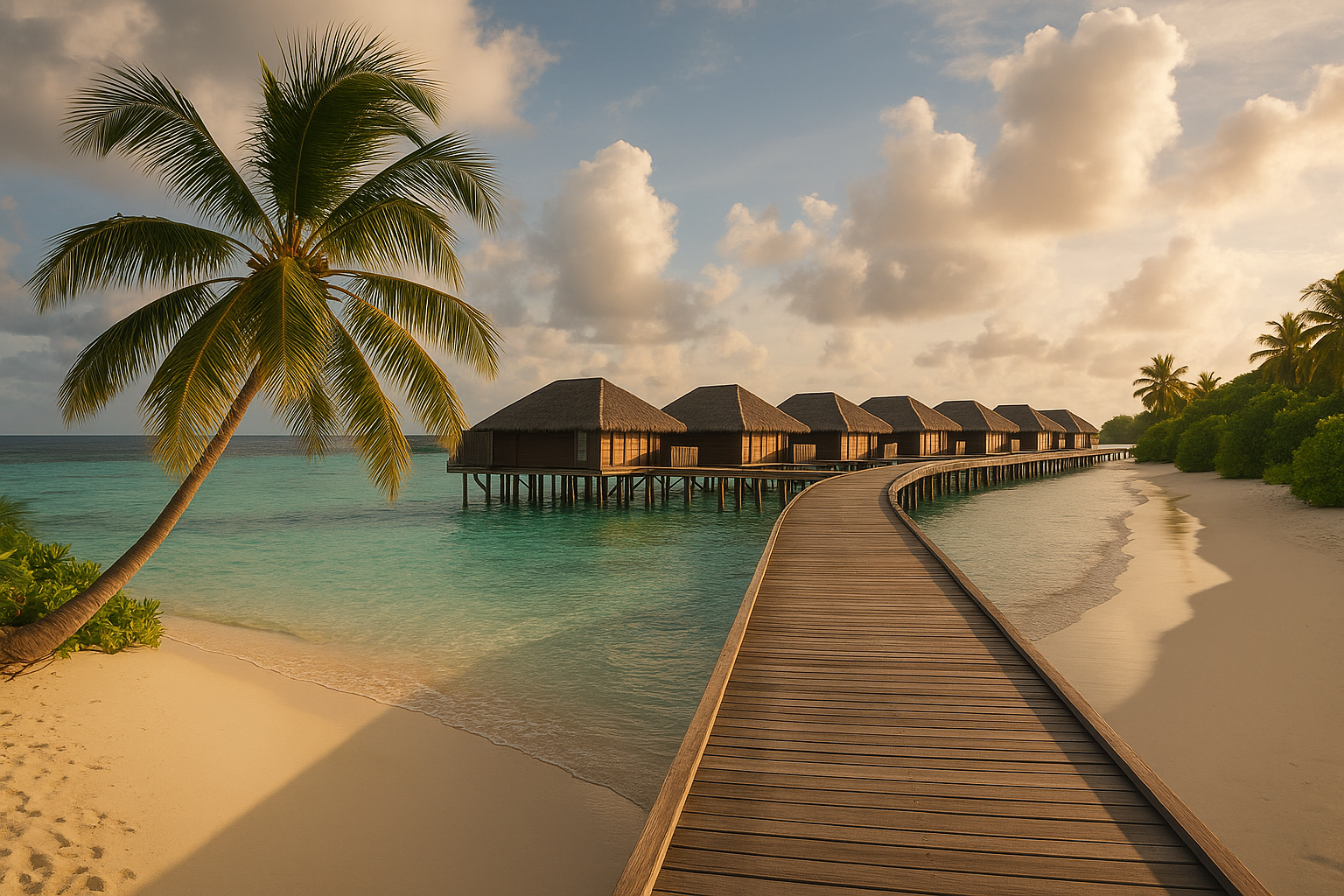
Autumn here is the end of the southwest monsoon, so the Maldives alternates between sudden, hard tropical showers and long stretches of intense sun; that jumpiness has a tangible effect on the islands’ rhythm. The country’s coral atolls are low and flat—there’s almost no elevation to shelter you from wind or spray—so when a squall comes through it rearranges beach furniture and clears the air fast. Malé, by contrast, is compact, densely populated and noisy in a way the resort islands are not: if you want people and small-city energy, that’s where you’ll find it.
How the season changes marine conditions and activities
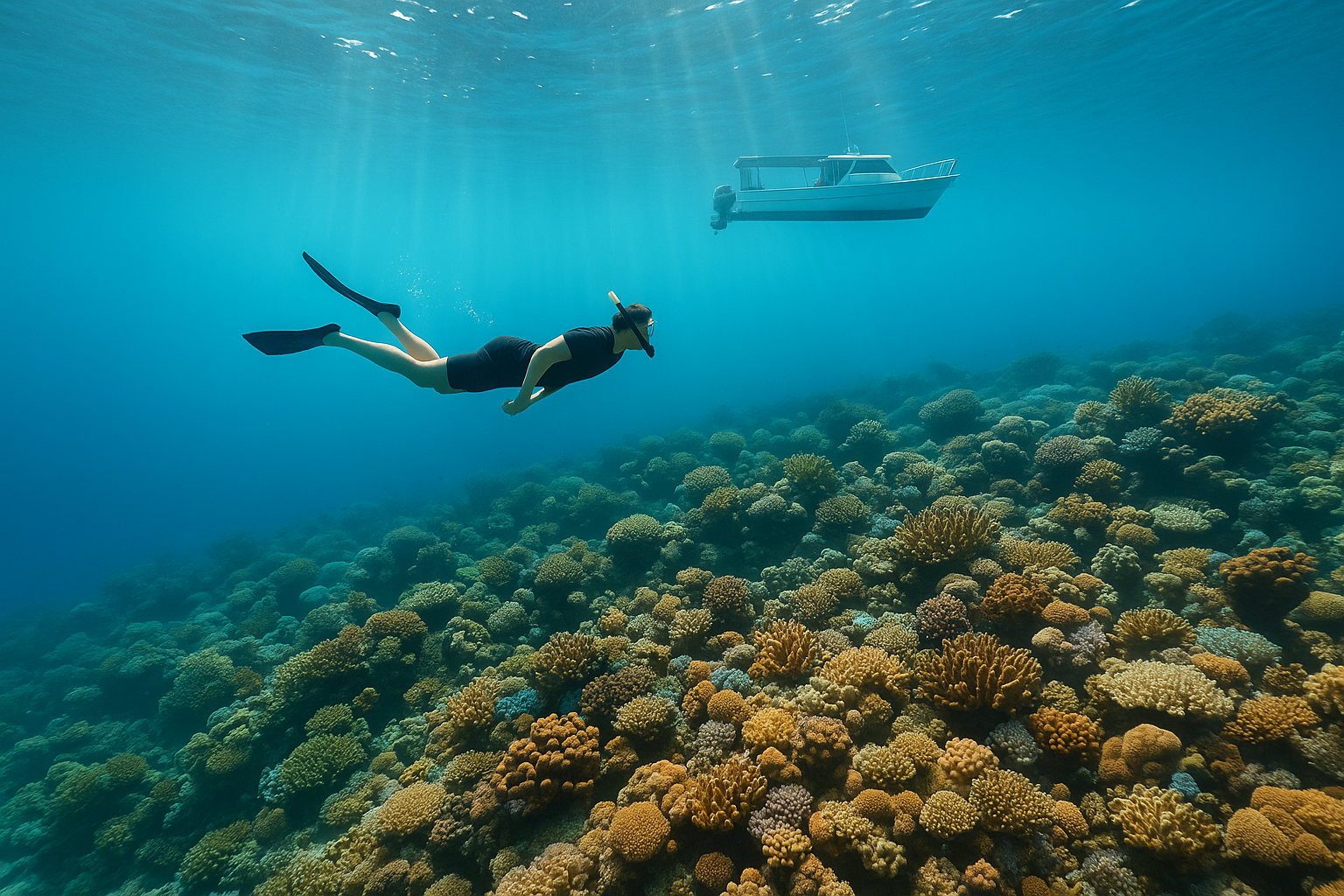
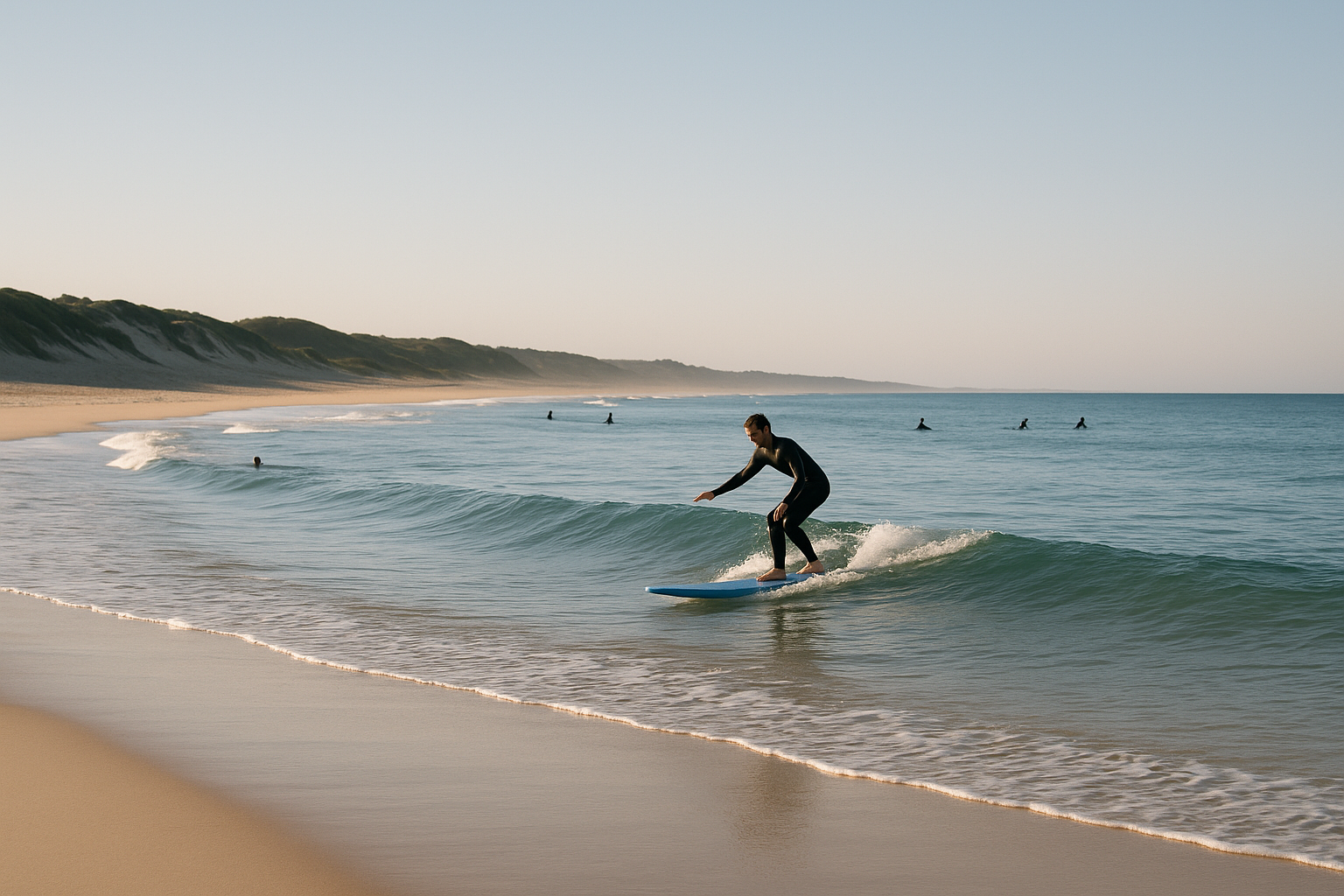
September to November is a transition in the water as well as the sky. Sea conditions that were rougher during the southwest monsoon begin to ease by late October, which affects everything from diving visibility to surfing swells: surfers can still catch significant western-atoll swells in September, while divers may notice clearer water and calmer currents as the season moves toward November. Warm sea temperatures remain steady, so swimming never really stops, but expect a higher chance of brief, intense rain that can reduce visibility for a few hours.
How travel between islands actually works
Transfers define your day here. Resorts and many guesthouses use seaplanes, speedboats and domestic flights; seaplanes operate only in daylight and in scheduled windows, and weather can delay them without much notice. Speedboats are common for short hops and run more flexibly but are slower. Domestic flights serve farther atolls, and changing to a boat at the end of a flight is routine. Cash in Maldivian Rufiyaa is useful on local islands for small purchases; most resorts and many operators accept cards. Wi‑Fi is reliable at resorts and patchier on inhabited islands; English will get you almost everywhere in tourism services, while Dhivehi is used in daily life.
Everyday manners and what visitors break first
The Maldives is a Muslim country and that shapes visible routines: Friday prayers pause business in inhabited islands, modest dress is expected in towns (bathing suits are fine on resort islands but not on public beaches of local islands), and alcohol is only sold on resort islands and some liveaboards. You’ll hear Assalaamu Alaikum commonly and find people straightforward about payment and schedules—tips are appreciated in tourism but not obligatory—and hospitality often comes with plates of fish or coconut-based dishes if you accept an invitation.
Quick 5
Maldives
Maldives
Maldives
Maldives
Maldives
Regions

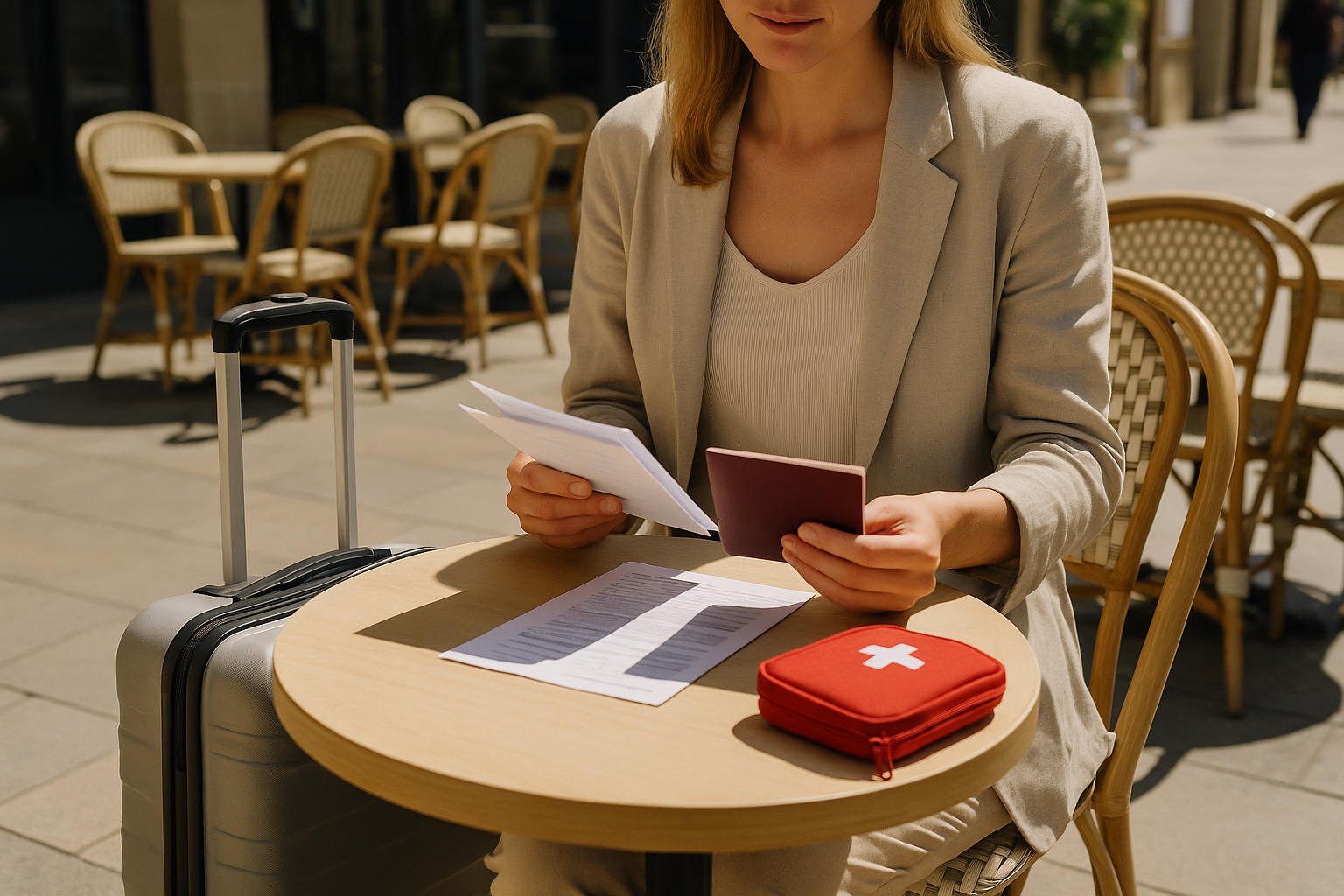
Travel Requirements
What you need to enter Maldives, for the passport you hold.
Places of interest
Landscapes in Maldives
Travel Tips